The Everyday Signs Your Home May Be Dealing With Hard Water
Water problems don’t always announce themselves with a burst pipe or a flooded basement. Sometimes, they arrive quietly. A glass comes out of the dishwasher looking a little hazy. Towels feel rougher than they used to. You spend ten minutes scrubbing a faucet that seems to collect white spots overnight. These little frustrations are easy […]
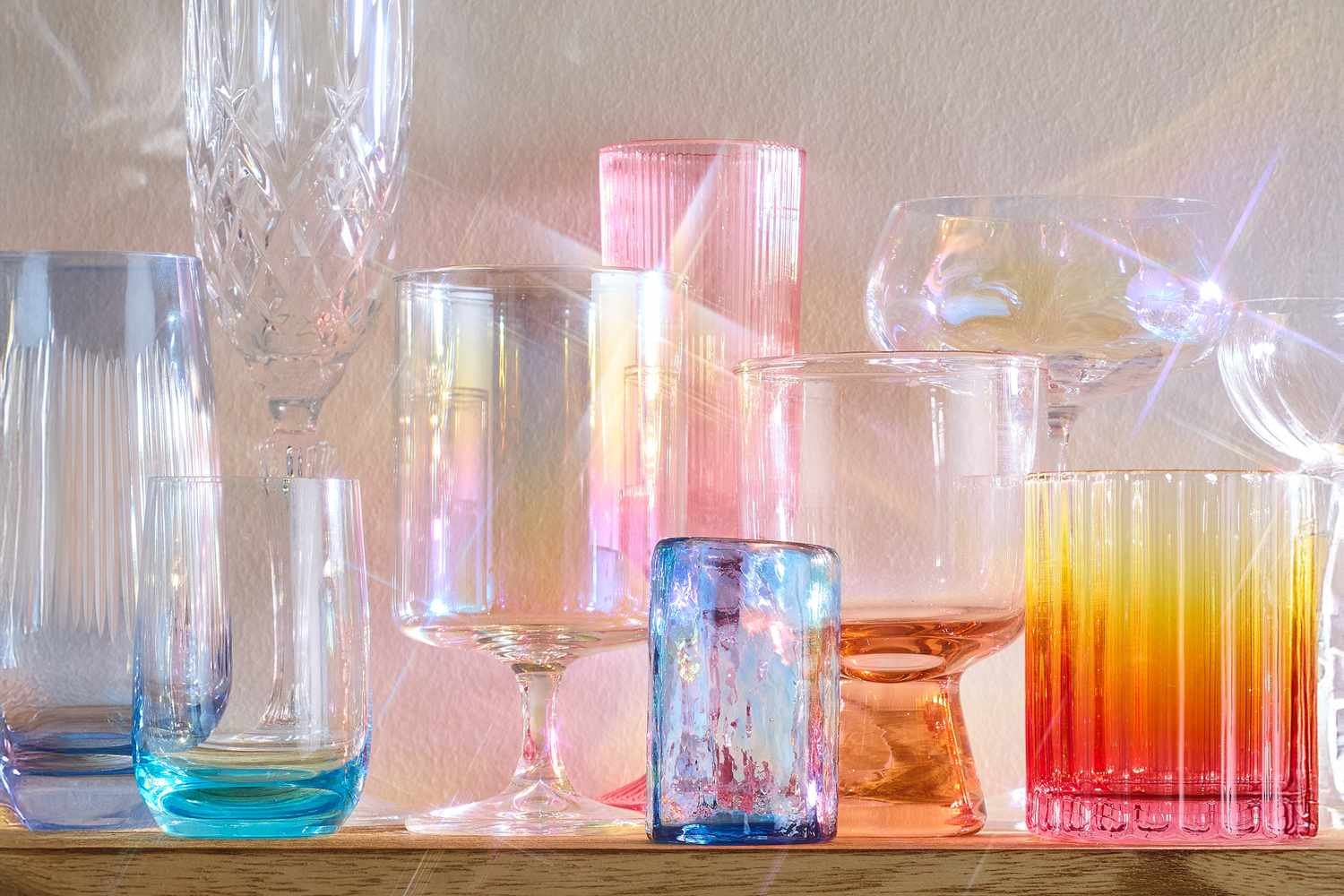
Water problems don’t always announce themselves with a burst pipe or a flooded basement. Sometimes, they arrive quietly. A glass comes out of the dishwasher looking a little hazy. Towels feel rougher than they used to. You spend ten minutes scrubbing a faucet that seems to collect white spots overnight.
These little frustrations are easy to blame on cleaning products, old appliances, or just bad luck. But when several of them show up together, your home’s water may be telling you something.
Hard water, which contains elevated levels of minerals such as calcium and magnesium, is common in many areas. It isn’t necessarily dangerous, but it can make everyday chores harder and gradually affect fixtures, appliances, and plumbing. Understanding the signs is the first step toward deciding whether water treatment is worth considering.
When Clean Glassware Doesn’t Look Clean
Few things are more annoying than pulling perfectly washed glasses from the dishwasher only to find spots and a cloudy film on them.
Cloudy glassware is one of the familiar signs associated with hard water. Calcium and magnesium can remain behind when water evaporates, leaving mineral deposits on smooth surfaces.
At first, the residue may disappear with a little extra cleaning. Over time, though, repeated deposits can become more difficult to remove. Some homeowners start using stronger detergents or washing dishes by hand, which isn’t exactly the convenient solution they were hoping for.
Before replacing your dishwasher, take a closer look at your water. The appliance may be doing its job just fine. The water itself could be contributing to the problem.
Why Laundry Can Feel Different
Your washing machine doesn’t care whether the water is hard or soft. It simply does what it’s told. Your clothes, however, may notice the difference.
Hard water can interfere with how soap and detergent work. When minerals react with soap, they can create residues that don’t rinse away as easily. The result may be stiff laundry that feels rough rather than soft and comfortable.
You may also notice that towels aren’t as absorbent as they once were or that whites look slightly dull after repeated washing.
That doesn’t necessarily mean you’re using the wrong detergent. Increasing the amount of detergent may not solve the underlying issue either. If the water is significantly hard, the minerals remain part of the equation.
Those White Marks Around the Faucet Matter
Take a close look at your kitchen or bathroom faucet. See the chalky white ring around the base? What about the crusty deposits around the showerhead?
Those marks are often mineral scale.
Hard water leaves deposits wherever water repeatedly sits and evaporates. Faucets, showerheads, sink edges, and glass shower doors are common places for buildup to appear.
Regular cleaning can keep things under control, but there’s a frustrating cycle to it: clean today, see the spots again tomorrow.
If the buildup keeps returning, treating the water itself may be more effective than constantly attacking the symptoms with a bottle of cleaner.
Your Appliances May Be Feeling It Too
Hard water doesn’t only affect things you can see.
Water heaters, coffee makers, dishwashers, washing machines, humidifiers, and other appliances all interact with the water supply. Over time, minerals can accumulate inside components and reduce efficiency.
Water heaters deserve particular attention because minerals can settle inside the tank. As deposits accumulate, the equipment may have to work harder to heat water efficiently.
This doesn’t mean hard water will suddenly destroy an appliance. The impact is usually gradual. That’s what makes it easy to overlook.
If you’re already seeing scale around fixtures, it may be worth checking the appliances that use water every day.
Hard Water Can Contribute to Plumbing Wear
Your plumbing system has a long job to do. Pipes carry water day after day, often for decades, and the conditions inside those pipes matter.
News context Keeping Your Water Clean: A Real Talk on Modern Home Filtration and Treatment
Mineral deposits can accumulate in certain areas and contribute to plumbing wear, particularly around valves, aerators, fixtures, and restricted passages. Existing corrosion or aging pipes can make these issues more noticeable.
A sudden drop in water pressure doesn’t automatically mean your entire plumbing system needs replacing. Sometimes the culprit is a clogged faucet aerator or showerhead.
Still, recurring buildup deserves attention. A professional inspection can help distinguish a simple fixture problem from something more significant.
What About Your Skin and Hair?
This is one of the complaints homeowners often mention after moving into a hard-water area.
Hard water can make soap and shampoo more difficult to rinse completely. Some people notice that their skin feels dry or that their hair seems less manageable after washing.
It’s not necessarily dramatic. You might simply feel like you need more soap or spend longer rinsing.
If you’ve noticed a difference after moving to a new home or region, water hardness could be one factor worth investigating. Of course, skin and hair can react to many things, so water isn’t always the sole explanation.
Should You Install a Water Softener?
If testing confirms that your water is significantly hard and the effects are bothering you, a water softener may be worth considering.
Traditional softeners use an ion-exchange process to reduce calcium and magnesium in the household water supply. This can help reduce scale, improve soap performance, and protect water-using appliances.
But don’t rush into buying the first system you find.
Start with a water test. Understand the hardness level and your household’s daily water consumption. Then compare system capacity, maintenance requirements, installation costs, and ongoing expenses.
A professional water-treatment provider can help determine whether softening is appropriate and what size system would fit your home.
Don’t Forget Regular Maintenance
Even after addressing hard water, maintenance still matters.
Clean faucet aerators periodically. Check showerheads for deposits. Follow appliance maintenance recommendations. If you install a softener, keep up with its required servicing and monitor its performance.
For private wells, regular water testing is particularly important because water conditions can change over time. Hardness is only one part of overall water quality.
The more you understand your water, the easier it becomes to spot changes early.
The Small Signs Are Worth Noticing
Cloudy glasses, rough laundry, white faucet deposits, and gradual appliance problems may seem unrelated at first. Sometimes they are. But when several appear together, hard water becomes a reasonable possibility.
The answer isn’t necessarily expensive equipment or a complete plumbing overhaul. Often, the smartest first step is simply testing the water and understanding what you’re dealing with.
Your home gives you clues all the time. A little scale around the faucet. A towel that doesn’t feel quite right. A glass that never seems completely clear.
Pay attention to those small details. They may be telling you that your water—and the systems depending on it—could use a little help.