Choosing the Right Water Treatment Solution for a Healthier Home
Water is such a normal part of everyday life that we rarely stop to think about it. We drink it, cook with it, wash clothes in it, and stand under it in the shower. But when water starts leaving white spots on faucets, tasting unusual, or making soap behave strangely, you quickly realize that not […]
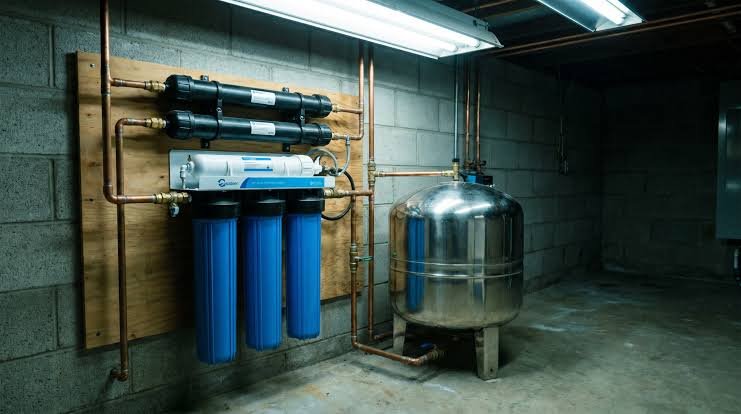
Water is such a normal part of everyday life that we rarely stop to think about it. We drink it, cook with it, wash clothes in it, and stand under it in the shower. But when water starts leaving white spots on faucets, tasting unusual, or making soap behave strangely, you quickly realize that not all household water feels the same.
The good news is that improving water quality doesn’t necessarily require a complicated approach. The first step is understanding what is actually happening with your water. From there, the right treatment option can make everyday routines easier and, quite honestly, more pleasant.
Start by Understanding Your Water
Every home has different water conditions. Municipal water and private well water can have completely different characteristics, and even homes in the same neighborhood may experience differences because of plumbing or water usage.
Hardness is one common concern. Hard water contains minerals such as calcium and magnesium, which can create scale around faucets and appliances. You may also notice that soap doesn’t lather as easily or that freshly washed dishes have spots.
Before purchasing equipment, consider having your water tested. Knowing what you’re trying to address makes it much easier to choose an appropriate solution.
When Water Softeners Make Sense
For households dealing primarily with hard water, water softeners can be a practical option.
Traditional softeners generally use an ion-exchange process to reduce calcium and magnesium from the water. This can help minimize scale buildup and improve the way soaps and detergents work.
You might notice the difference in small ways. Your shower glass may stay cleaner, your faucets may have less mineral buildup, and laundry can feel different after washing.
However, a softener isn’t designed to solve every possible water-quality problem. It primarily addresses hardness, so it shouldn’t be viewed as a universal filter for every contaminant.
Why Drinking Water May Need Separate Treatment
Whole-home water treatment and drinking-water treatment don’t always have to be the same thing.
You may be perfectly happy with treated water for bathing and laundry but want an additional level of filtration for the water you drink and use for cooking.
That’s where point-of-use treatment can be useful.
A kitchen drinking-water system allows you to focus treatment where it matters most without treating every gallon used throughout the house.
The Role of Reverse Osmosis
For homeowners looking for more extensive treatment of drinking water, reverse osmosis systems are worth considering.
Reverse osmosis uses pressure to push water through a semipermeable membrane. The membrane can reduce many dissolved substances, while additional filter stages may help with sediment, chlorine, and taste or odor concerns.
RO systems are commonly installed beneath the kitchen sink and connected to a dedicated faucet. Because treated water is generally produced gradually, many residential systems use a storage tank to make treated water available when needed.
As with any treatment technology, the system should be selected based on the actual water conditions rather than simply the number of filtration stages.
Why Filters Need Regular Attention
Filtration equipment can work quietly for months, which makes maintenance easy to forget.
But filters don’t last forever. Over time, filtration media can become exhausted or clogged, depending on the type of filter and the quality and amount of water passing through it.
Following the manufacturer’s replacement schedule is important. Don’t wait until water tastes noticeably different before checking the cartridge.
A busy household can also use filtration capacity much faster than a smaller household. Actual usage matters.
One simple trick is to write the installation or replacement date directly on a calendar or set a reminder on your phone. It’s a tiny habit, but it can save you from wondering when the filter was last changed.
Different Filters Do Different Jobs
The word “filter” can be misleading because not all filters are designed to do the same thing.
Sediment filters are commonly used to capture suspended particles. Activated carbon filters may reduce chlorine taste and odor. Specialized filtration technologies can address particular contaminants.
Reverse osmosis membranes work differently from ordinary cartridge filters and are designed to reduce many dissolved substances.
This is why product descriptions should be read carefully. A filter that works beautifully for one water-quality issue may have little effect on another.
If you have a specific concern, look for clear performance information or appropriate certification rather than relying on broad marketing claims.
Think About Your Entire Household
Your water treatment needs should fit the people and routines inside your home.
A couple living in a small house may use far less water than a family with several children. Your water consumption affects filter replacement frequency, softener sizing, and the capacity required from drinking-water equipment.
Think about where water is used most.
Do you mainly want better drinking water? Are mineral deposits your biggest frustration? Does your entire household struggle with hard water?
The answers can point you toward a more sensible treatment strategy.
Don’t Forget About Maintenance Costs
The purchase price of a treatment system is only part of the cost.
Consider replacement filters, salt if you’re using a conventional softener, professional service, electricity, and water usage. Some systems are inexpensive to purchase but can be more expensive to maintain.
Ask about replacement parts before buying. Find out how frequently they need to be changed and whether they are readily available.
This kind of practical information may not be exciting, but it matters over the life of the equipment.
Professional Installation Can Be Worth It
Some simple filtration systems are designed for straightforward installation, while larger or more complicated equipment may require professional help.
A properly installed system can perform more reliably and reduce the risk of leaks or incorrect settings.
Professional assistance can also be useful when water testing shows a more complicated issue. A knowledgeable technician can help determine whether you need softening, filtration, reverse osmosis, or a combination of technologies.
The important thing is to work from actual water-quality information rather than assumptions.
A Smarter Way to Improve Your Water
There isn’t one perfect water treatment solution for every home. What works beautifully for one household might be completely unnecessary for another.
Start by understanding your water. Identify the main concern, compare treatment technologies, and think about both purchase price and long-term maintenance.
Whether you’re dealing with hard water, unusual taste, sediment, or concerns about drinking-water quality, the right equipment can make a meaningful difference.
And perhaps the best part is that good water treatment should eventually become almost invisible. Once the equipment is properly selected, installed, and maintained, you can get back to the simple things—making coffee in the morning, cooking dinner, taking a shower, and filling a glass from the tap without giving the water a second thought.