


Let’s face it — no one wants questionable water coming out of their taps. Whether you’re sipping, cooking, or showering, clean water matters more than most of us admit on a daily basis. It’s one of those things you just expect to be fine… until it’s not. And that’s when the panic hits — weird smells, funky tastes, staining in the sink, or worse, health issues. So, how do we get ahead of the problem before it becomes one?
Well, it starts with knowing what’s flowing through your pipes — and deciding if it’s time to give your home a much-needed water upgrade. But don’t worry — we’re not diving into anything overly technical here. This is a casual, yet useful conversation about making better water choices for your home and your health.
Why Water Matters More Than You Think
Sure, you’ve heard that drinking water is essential. But let’s expand that perspective. Water touches almost everything in your home — from your coffee maker to your laundry to the food on your plate. When the water quality’s off, it doesn’t just impact taste or comfort. It messes with appliances, ruins clothes, dries out your skin, and depending on what contaminants are present, it can be harmful.
Things like chlorine, sediment, heavy metals, bacteria, or nitrates might be in your water — even if you’re on a public supply. And well water? That’s a whole different beast with its own potential for iron, sulfur, or microbial contamination.
Filters Aren’t Just for Instagram Anymore
It’s 2026. Let’s not act like throwing a plastic pitcher filter in your fridge is going to cut it for everything. While those have their place, they’re far from a comprehensive solution. What you need depends on the source of your water, your concerns, and how much effort you’re willing to put in.
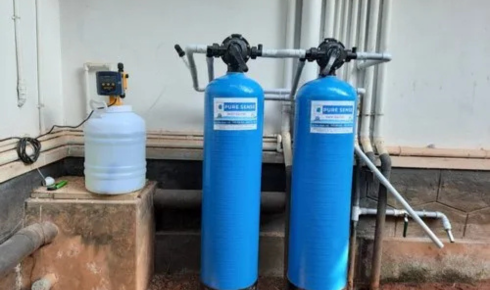
A filtration system can be as simple as a single-point solution under your sink or as robust as a whole-house setup that treats every drop of water flowing into your home. Some systems are designed to trap sediments, others remove chlorine or balance pH levels, and then there are advanced units that tackle things like arsenic, lead, or even viruses.
Think of it like skincare — the product you need depends on the condition you’re treating.
It’s Not Just About Filters, It’s About Treatment
Now here’s where the conversation shifts a bit. Filtration is only one part of the story. If your water has deeper issues — like hardness (hello, scale buildup on everything) or biological contaminants — you’ll need more than just a filter.
This is where water treatment systems come into play. Think water softeners for hard water, UV sterilizers for killing bacteria, or reverse osmosis for serious purification needs. Some homes need just one treatment; others benefit from a combo approach. It’s kind of like customizing your morning coffee order — one size definitely doesn’t fit all.
And if you’re thinking, “Ugh, that sounds expensive,” consider the hidden costs of untreated water: ruined appliances, stained plumbing, irritated skin, and frequent plumber visits. A solid water system might just save you money — and a few headaches — in the long run.
A Real-World Look at Residential Water Care
Let’s take a real example. Picture a family in a semi-rural neighborhood, relying on well water. They start noticing orange stains in the bathroom, and the water smells like rotten eggs. Classic signs of iron and sulfur. After getting their water tested, they learn it’s also high in hardness and has traces of bacteria.
Their solution? A custom setup combining an iron filter, a softener, a UV treatment unit, and a sediment pre-filter. The transformation is night and day — no more stains, no more smell, and no more dry, itchy skin after showers.
These kinds of residential water solutions aren’t just for fancy homes or perfectionists — they’re becoming more accessible, more affordable, and more necessary as people grow aware of what’s actually in their water.
Testing: The First Step You Shouldn’t Skip
Before jumping into any system or gear, get your water tested. Seriously. You wouldn’t buy glasses without getting your eyes checked, right? Same logic here. A test will tell you what you’re dealing with — whether it’s chlorine, bacteria, lead, or something else entirely.
You can start with a basic at-home kit, or if you suspect serious problems (especially with well water), opt for a certified lab test. Many filtration companies offer testing as part of their installation process, so ask.
Let’s Talk Installation (Without Freaking Out)
Don’t worry — you don’t have to become a DIY plumbing expert overnight. Most water systems, especially whole-home solutions, are installed by professionals. There are even smart systems now that connect to your phone and let you track water usage, filter life, and even detect leaks. The tech’s come a long way — and honestly, it’s pretty cool.
For under-sink or showerhead filters, many are plug-and-play. If you can handle IKEA furniture, you can probably manage these.
Final Sips of Wisdom
You don’t need to overhaul your entire plumbing system overnight, but you do owe it to yourself and your family to know what’s in your water — and do something about it if it’s not up to par.
Start with testing. Understand your options. Invest based on your needs and budget. Whether it’s a carbon filter for city tap water or a multi-stage system for private well users, the point is: do something. Small changes go a long way in protecting your health and home.
And hey, it’s not just about health. Great water makes for better coffee, fluffier pancakes, shinier hair, and longer-lasting appliances. It’s one of those invisible upgrades that quietly transforms daily life — and once you make the switch, you’ll wonder why you waited so long.