Bringing Better Drinking Water Into Ottawa Homes With Practical Filtration Solutions
Open the refrigerator in almost any busy household, and there’s a good chance you’ll find a water filter pitcher squeezed between leftover food and grocery supplies. It works reasonably well until someone forgets to refill it. Then there’s bottled water, which seems convenient but creates storage problems and recurring expenses. Neither arrangement is necessarily ideal […]
Open the refrigerator in almost any busy household, and there’s a good chance you’ll find a water filter pitcher squeezed between leftover food and grocery supplies. It works reasonably well until someone forgets to refill it. Then there’s bottled water, which seems convenient but creates storage problems and recurring expenses. Neither arrangement is necessarily ideal for the long term.
For families seeking dependable filtered drinking water solutions, installing suitable treatment equipment at home can offer a more convenient way to address specific water quality concerns while simplifying everyday routines.
Of course, choosing the right equipment involves more than comparing prices or counting filtration stages. Understanding your water supply, kitchen layout, and consumption habits can help you make a decision that continues to make sense years after installation.
Why Drinking Water Quality Deserves a Little More Attention
Water is involved in practically everything we do in the kitchen. We use it to prepare meals, brew coffee, wash vegetables, and fill reusable bottles before leaving for work.
Yet its quality often receives surprisingly little attention until something changes.
Perhaps you notice an unfamiliar taste or an unpleasant odor. Maybe you’re concerned about substances that ordinary filtration equipment cannot effectively reduce.
Water conditions depend on several factors, including the original source, treatment methods, and household plumbing.
Municipal water reports can provide useful background information, while appropriate laboratory testing may help identify property-specific concerns.
The important thing is remembering that clear, pleasant-tasting water isn’t necessarily free from harmful contaminants. Understanding what’s actually present in your supply provides a much better foundation for making treatment decisions.
Understanding the Appeal of Reverse Osmosis
When ordinary filtration doesn’t address particular water quality concerns, more specialized treatment may be worth considering.
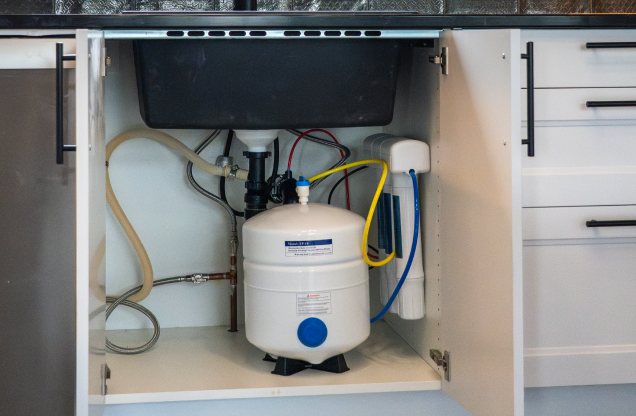
Homeowners comparing reverse osmosis systems for ottawa homes can explore membrane-based filtration equipment designed to reduce various dissolved substances in water intended for drinking and cooking.
Reverse osmosis uses pressure to move water through a semipermeable membrane. Treated water passes through, while rejected substances become concentrated in a separate discharge stream.
Depending on verified system performance, this process can reduce certain dissolved salts, metals, and other contaminants.
Most residential units also incorporate additional filtration stages, including sediment and activated carbon cartridges.
These components work together to address different water characteristics and help protect the membrane.
However, reverse osmosis isn’t automatically necessary for every household. Testing should guide whether this level of treatment is appropriate.
Making Drinking Water Filtration Fit Your Kitchen
Nobody wants a water treatment system that occupies unnecessary space or makes ordinary kitchen activities more complicated.
One of the appealing features of convenient point-of-use filtration is its ability to provide treated water at a specific location without requiring extensive treatment throughout the entire property.
Under-sink systems are particularly practical for homeowners who want to maintain uncluttered countertops while having filtered water readily available through a dedicated faucet.
Rather than treating water used for showering, laundry, and outdoor maintenance through a specialized membrane system, this arrangement focuses on water intended for consumption.
It’s a sensible approach for households whose primary concerns involve drinking water.
Before installation, consider available cabinet space, plumbing connections, drainage requirements, and accessibility for future servicing.
A little planning can prevent considerable inconvenience later.
Better-Tasting Water Can Change Familiar Kitchen Routines
Have you ever prepared coffee using different water sources and noticed a surprising difference in flavor?
Water composition can influence how beverages and certain foods taste. Unpleasant disinfectant flavors or excessive concentrations of particular dissolved substances may interfere with the experience.
Appropriate filtration can help address some of these characteristics.
Reverse osmosis also reduces naturally occurring minerals, which changes the taste of treated water. Some homeowners enjoy its relatively neutral flavor, while others prefer systems incorporating remineralization stages.
There’s no universally preferred taste. What matters is finding an arrangement that suits your household.
Having filtered water readily available may also encourage family members to refill reusable bottles instead of relying on packaged beverages whenever they leave home.
Choosing Equipment That Matches Your Household’s Needs
A household of five will probably have different drinking water requirements from someone living alone.
When comparing filtration equipment, think about how frequently your family cooks, prepares beverages, and consumes drinking water throughout the day.
Traditional reverse osmosis systems often include storage tanks, providing a reserve of treated water for later use.
Tankless models generally produce water on demand and may occupy less cabinet space, although many require electricity.
Neither arrangement is automatically better.
Incoming water pressure, production capacity, available space, and verified contaminant reduction performance should influence your decision.
Ask your installer to explain why a particular model suits your property rather than simply recommending the most expensive equipment available.
Remembering the Importance of Long-Term Maintenance
Water filtration equipment needs regular attention to remain effective.
Sediment cartridges collect particles, activated carbon media gradually lose their treatment capacity, and reverse osmosis membranes eventually require replacement.
Before purchasing equipment, understand recommended servicing intervals, replacement component expenses, and water recovery efficiency.
Private well owners should also arrange appropriate testing for microorganisms and other relevant contaminants. Ordinary residential filtration shouldn’t automatically be assumed to make unsafe source water drinkable.
Following manufacturer recommendations and verifying treatment performance where necessary helps protect your investment.
A Small Household Improvement With Everyday Value
Better drinking water doesn’t require an unnecessarily complicated approach.
For Ottawa homeowners, the journey begins with understanding their existing water supply and selecting treatment equipment according to genuine household needs.
Whether you’re preparing breakfast, filling a bottle before heading outside, or enjoying a quiet cup of tea on a cold evening, having appropriately treated drinking water within easy reach is a welcome convenience.
Sometimes, the most satisfying home improvements are the ones that quietly make ordinary life easier. A thoughtfully selected water filtration system can be exactly that.