Better Water Throughout Your Home: Why Whole-House Filtration Makes Sense for Aledo Families
Think about how often you turn on a faucet without giving it much thought. You rinse vegetables, wash your hands, fill the bathtub, and tackle another mountain of laundry. Water is involved in nearly everything that happens at home. Yet many families focus exclusively on drinking water quality, overlooking what comes through the rest of […]
Think about how often you turn on a faucet without giving it much thought. You rinse vegetables, wash your hands, fill the bathtub, and tackle another mountain of laundry. Water is involved in nearly everything that happens at home. Yet many families focus exclusively on drinking water quality, overlooking what comes through the rest of their plumbing.
For homeowners in Aledo, Texas, investing in whole home water filtration can offer a practical approach to addressing water quality concerns throughout the property rather than treating individual outlets separately.
From unpleasant odors to suspended particles, different water problems can affect household comfort in unexpected ways. Understanding how centralized filtration works might change the way you think about your home’s water supply.
Why Your Kitchen Faucet Isn’t the Only Place That Matters
Installing a drinking water filter is certainly worthwhile, but what about the water you use for bathing, washing clothes, and cleaning?
If your incoming supply contains noticeable sediment or an unpleasant chlorine odor, these concerns may extend well beyond the kitchen.
A shower that smells strongly of chlorine isn’t particularly inviting. Neither is discovering small particles collecting inside faucet aerators or appliance inlet screens.
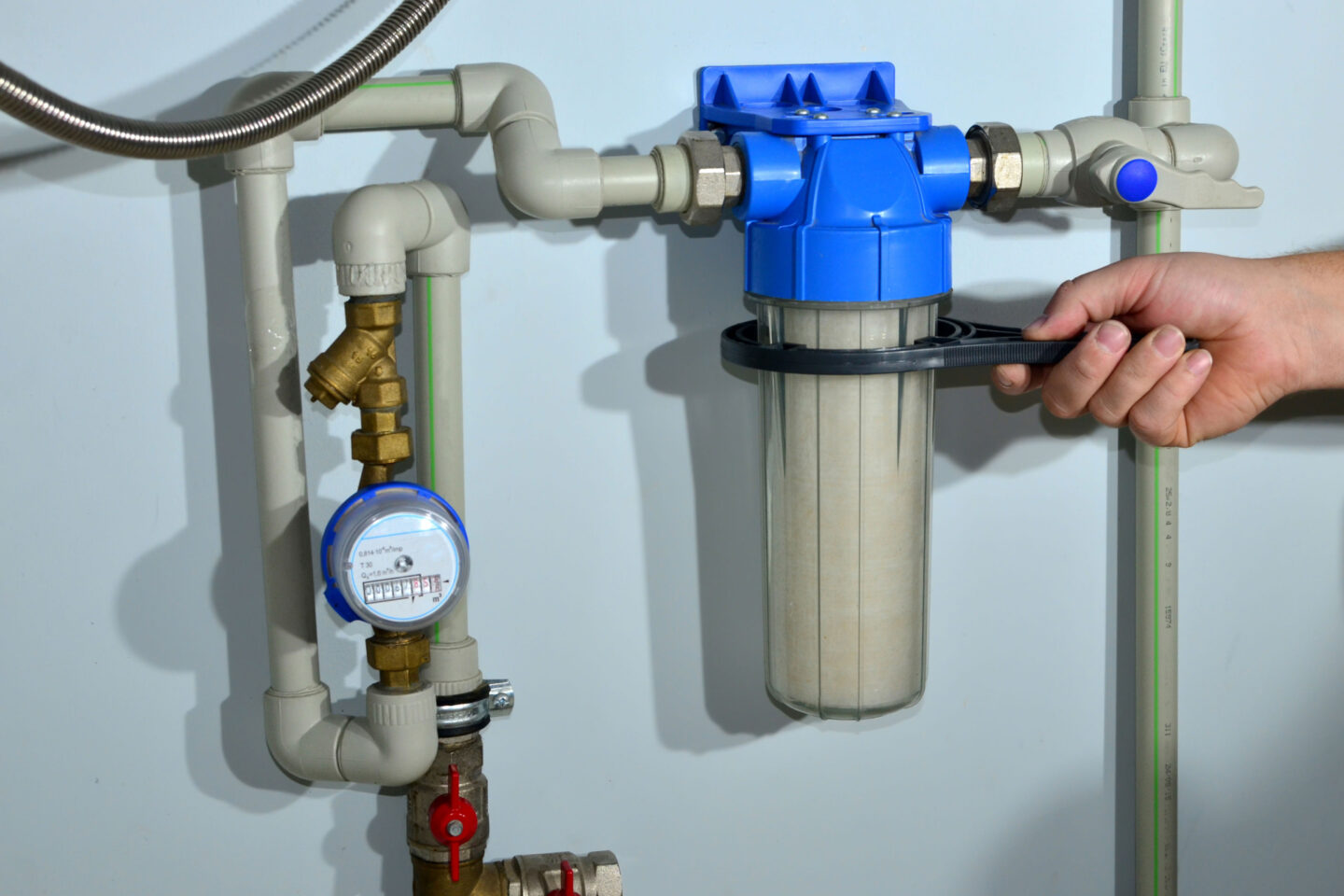
Centralized filtration addresses selected substances near the point where water enters your home.
Instead of installing separate filters in several rooms, homeowners can manage certain water quality concerns through a coordinated treatment arrangement.
For busy families, having fewer individual filtration devices to maintain can be a welcome convenience.
Choosing Treatment Based on Your Actual Water Conditions
Every property has slightly different water treatment requirements. Even two homes on the same street may have different plumbing conditions, consumption patterns, and household preferences.
Effective whole-house water treatment solutions should reflect reliable water quality information instead of relying on assumptions about what homeowners might need.
Sediment filtration can help capture suspended particles, while activated carbon may reduce chlorine and certain substances responsible for unpleasant tastes and odors.
If excessive hardness is a concern, a separate water softener may be appropriate.
These technologies perform different functions, and understanding those differences can prevent unnecessary equipment purchases.
Sometimes, a straightforward filtration arrangement is sufficient. In other situations, combining several treatment methods offers a more practical approach.
Enjoying Consistent Water Quality Around the House
There’s something appealing about addressing water quality concerns throughout your property instead of worrying about which faucet you’re using.
For families interested in water filtration for every tap, point-of-entry equipment can provide treated water to household fixtures connected downstream of the filtration system.
That includes bathroom sinks, showers, laundry connections, and kitchen faucets, depending on the plumbing arrangement.
However, centralized treatment doesn’t automatically mean every outlet provides comprehensive drinking water purification. Additional point-of-use treatment may still be appropriate for specific contaminants.
The real advantage is having a coordinated system that addresses identified concerns across multiple areas of your home.
It’s a practical arrangement that can make everyday water usage more convenient.
Giving Your Plumbing and Appliances Some Extra Attention
Nobody likes dealing with unexpected appliance repairs. Unfortunately, suspended particles can gradually accumulate inside smaller plumbing components, appliance screens, and valves.
Appropriate sediment filtration helps reduce these particles before they reach sensitive equipment.
News context What’s Really Inside Your Water Filter (And Why It Matters More Than You Think)
Water heaters, dishwashers, and washing machines may also benefit from additional hardness treatment when mineral concentrations are excessive.
It’s worth remembering that ordinary sediment and carbon filters don’t soften water. If chalky deposits are your primary concern, you’ll need equipment specifically designed to address hardness.
A well-planned treatment arrangement can support preventive maintenance without promising to reverse existing damage.
After all, protecting the appliances you’ve already invested in often makes more sense than replacing them prematurely.
Finding Equipment That Can Keep Up With Your Household
Saturday mornings can be surprisingly demanding on a home’s water supply. Someone’s taking a shower, another person is washing breakfast dishes, and the washing machine is already running.
Your filtration equipment needs to accommodate these activities without creating unnecessary flow restrictions.
System capacity, incoming water pressure, plumbing dimensions, and peak household demand all deserve consideration.
An undersized or heavily clogged filter can contribute to reduced water flow, making everyday activities less convenient.
Before purchasing equipment, ask how its recommended flow capacity compares with your household’s requirements.
The goal is to improve water quality without sacrificing the convenience of a dependable water supply.
Making Maintenance Straightforward and Affordable
Once filtration equipment is installed, it can be easy to forget about it. That’s understandable, particularly when everything appears to be working normally.
Still, filters and treatment media have limited service lives. Regular replacement or servicing is necessary to maintain performance.
When consulting a provider such as Elders Water, discuss replacement filter costs, maintenance accessibility, documented treatment capabilities, and recommended servicing intervals.
Ask whether the equipment includes a bypass arrangement that allows servicing without unnecessarily interrupting the household supply.
Appropriate follow-up testing is also important when addressing health-related contaminants. Clear appearance and pleasant taste alone cannot establish drinking water safety.
A little planning can make long-term ownership much easier.
Creating a More Comfortable Home in Aledo, Texas
Improving household water quality doesn’t need to become an expensive or complicated undertaking. It begins with understanding your water supply and identifying the concerns that genuinely affect your family.
With suitable filtration, thoughtful installation, and regular maintenance, homeowners can address several water quality frustrations through one coordinated approach.
The improvements may appear in ordinary moments — a more pleasant shower, fewer suspended particles reaching fixtures, or less time maintaining individual filters.
Water quietly supports so many aspects of everyday life. Giving its quality a little more attention is a practical way to make your home feel more comfortable.
And sometimes, the most worthwhile home improvements are the ones you appreciate without even thinking about them.