
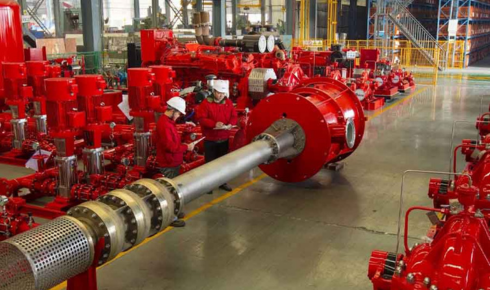


We don’t often think about what’s under the surface—literally. But for engineers, utilities, municipalities, and large industrial operations, what’s below is everything. Massive motors. Spinning shafts. Water rising hundreds of feet. All working together quietly (most of the time) to make sure the rest of the system runs without a hiccup.
Behind this calm exterior is one of the most overlooked yet crucial parts of infrastructure: the pumping system. And it’s not just about moving water from point A to point B. It’s about doing it efficiently, reliably, and safely—for years, if not decades.
Let’s take a walk below the surface and explore how the right hardware, thoughtful corrosion planning, and proper system design make all the difference.
Vertical Turbine Pumps: Built to Go Deep
When you need to move large volumes of water from deep wells, rivers, or reservoirs, horizontal pumps just don’t cut it. Enter the vertical turbine pump—a giant in the pumping world, both literally and figuratively.
These pumps are designed to draw water from far below ground and push it up with precision and force. They’re often used in municipal water systems, agriculture, power plants, and industrial processes where space-saving and high performance go hand in hand.
What sets vertical turbines apart? Their long shafts and multi-stage impellers. They can be customized in height, horsepower, and materials, which makes them incredibly versatile. But that also means maintenance and alignment need to be done right. A poorly installed or neglected turbine pump can go from hero to headache fast.
Corrosion Control: The Silent Defender
Water—especially when it’s full of minerals, gases, or just plain old oxygen—is one of the most corrosive substances out there. It sneaks into joints, eats away at metals, and slowly turns strong systems brittle. Which is why corrosion control isn’t optional. It’s the backbone of long-term performance.
Whether you’re running a drinking water system or a cooling tower, corrosion is lurking. That’s where linings, coatings, cathodic protection, and chemical treatment come in. Each approach has its place depending on system design, water chemistry, and operating temperatures.
And don’t overlook materials selection. Stainless steel, bronze, and other alloys may carry a higher upfront cost, but they save thousands (and days of downtime) in the long run. Proactive corrosion planning is far cheaper than emergency replacements after a rusted pipe bursts or a pump shaft fails mid-operation.
The Big Picture: Designing the Right Pumping System
Pumps don’t work alone. They rely on smart layouts, matched flow rates, pressure calculations, and integrated controls. A great motor can’t fix a system that’s constantly cavitating or throttling because someone guessed instead of engineered.
A well-designed pumping system balances flow demand, head pressure, energy use, and material resistance. It takes into account the age of the infrastructure, climate, and expected load changes. And most importantly, it allows for maintainability—because every pump, no matter how perfect, will need some TLC eventually.
Control systems have come a long way too. VFDs (variable frequency drives) help fine-tune motor speed based on demand. Sensors monitor flow, temperature, and vibration. These smart additions help spot problems before they become costly emergencies—and they let operators make better decisions, faster.
Common Pitfalls and How to Dodge Them
Let’s be real: not every pump system is a success story. And many of the failures come down to a few familiar culprits:
- Improper installation – A misaligned motor shaft or under-supported baseplate can shave years off your pump’s life.
- Ignoring water chemistry – If you’re treating all water the same, you’re likely losing a corrosion battle somewhere.
- Skipping the basics – Routine inspections, filter cleaning, and oil changes are boring… until you’re replacing a pump you shouldn’t have had to.
- Oversizing the system – Bigger isn’t always better. A pump that’s too large can cycle unnecessarily and waste energy.
Avoiding these issues means thinking ahead—and partnering with experienced professionals who know how to look at the whole system, not just the shiny new part being installed.
Why This Stuff Matters More Than Ever
Aging infrastructure is a real problem. Across the globe, water utilities are scrambling to modernize old systems while keeping up with new demands. Energy costs are rising. Droughts are more common. And the need for reliability has never been higher.
That’s why investing in things like vertical turbines, advanced corrosion control, and smarter system design isn’t just good practice—it’s survival. It ensures that clean water keeps flowing, cooling systems stay online, and industries don’t grind to a halt because someone cut corners ten years ago.
Final Thoughts: When It Works, No One Notices
Here’s the irony: the better your pumping system works, the less anyone talks about it. And that’s a good thing. No headlines. No panic. Just smooth, consistent performance day in and day out.
But behind that quiet success is a whole world of design decisions, chemical strategies, and engineering expertise. Pumps may not be glamorous—but they’re the heartbeat of infrastructure. And when they’re treated with the respect they deserve, they return the favor with years of steady service.