


You don’t always notice your water — until it starts bothering you.
Maybe it’s the white film on the shower door that never quite wipes away. Maybe it’s the faint chlorine smell when you fill a glass at the kitchen sink. Or maybe it’s the way your skin feels a little dry, even after a long shower.
Water is one of those quiet background elements in our lives. It’s there every day, doing its job. But when quality shifts, even slightly, you start to feel it.
And that’s usually when homeowners begin learning about treatment options.
The Frustration of Hard Water
Hard water isn’t dangerous. But it can be inconvenient.
It contains dissolved minerals — primarily calcium and magnesium — that leave residue behind as water evaporates. That residue shows up as scale on faucets, cloudy glassware, and buildup inside appliances.
Over time, it can reduce water heater efficiency and clog pipes with mineral deposits. You may notice that soap doesn’t lather as easily. Laundry can feel stiff. Dishes may look less than sparkling.
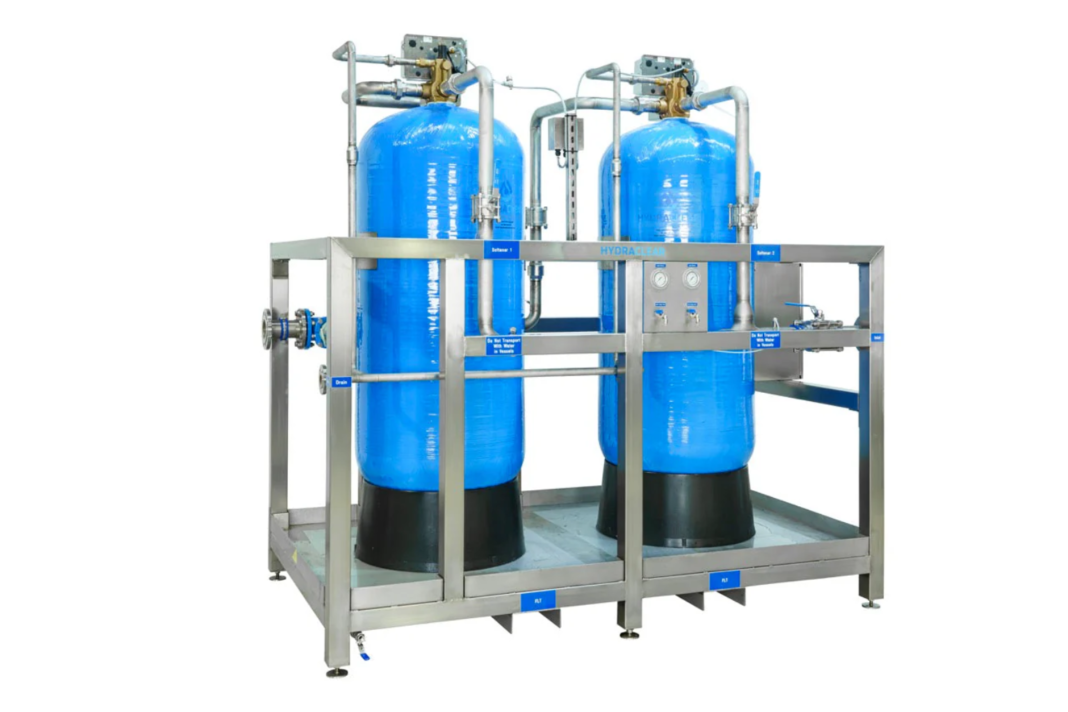
This is where water softener systems come into the conversation.
Softening systems don’t filter contaminants the way drinking-water filters do. Instead, they exchange hardness minerals with sodium or potassium ions, preventing scale from forming in the first place.
The difference is practical. Showers rinse cleaner. Fixtures stay shinier. Appliances often last longer.
It’s not a dramatic overnight transformation. But it’s steady improvement.
What “Hardness” Really Means
The term hardness refers to the concentration of minerals dissolved in your water. Some regions have naturally soft water. Others — particularly areas with limestone geology — experience high mineral content.
Effective hardness mineral removal helps reduce scale buildup and protects plumbing infrastructure. It’s less about taste and more about performance.
That white crust around your faucet? That’s hardness at work. The stiff towels? Same culprit.
Once those minerals are removed or neutralized, cleaning becomes easier. Soap works better. Water heaters operate more efficiently because they’re not constantly battling scale.
And yes, you might notice your skin feels a little softer afterward.
When Taste Becomes the Concern
Hardness isn’t the only factor influencing water quality. Even in areas without high mineral content, chlorine is commonly used in municipal water systems to disinfect.
Chlorine keeps water safe during distribution, but it can leave a noticeable taste or odor.
For many homeowners, the solution lies in carbon filtration, which supports chlorine taste removal and improves overall flavor.
If you’ve ever poured a glass of tap water and hesitated because of a faint swimming pool scent, you understand why this matters.
Better taste means you’re more likely to drink tap water instead of relying on bottled options. That’s not just convenient — it’s environmentally responsible.
Softening vs. Filtration: Not the Same Thing
Here’s where things sometimes get confusing.
Softening systems address mineral hardness. Filtration systems address contaminants and taste.
They solve different problems.
In homes with both high hardness and noticeable chlorine taste, combining a softener with a drinking water filter can provide comprehensive improvement.
One protects plumbing and appliances. The other enhances drinking quality.
It’s not about choosing one over the other. It’s about understanding what your water needs.
Testing Before Investing
Before installing any treatment system, water testing is essential.
Guesswork leads to overspending — or underspending.
A simple water analysis reveals mineral levels, chlorine content, and potential contaminants. With that information, you can select equipment tailored to your specific conditions.
Water quality varies significantly by region. What works perfectly in one neighborhood may be unnecessary in another.
And no one wants to install a system that doesn’t address the real issue.
Maintenance Isn’t Complicated — But It Matters
Like most home systems, softeners and filters require upkeep.
Softening systems need salt refills. Filters need cartridge replacements. Ignoring maintenance reduces effectiveness.
The good news? It’s typically manageable.
Salt refills are straightforward. Filter changes often take minutes.
Consistency is key. A well-maintained system delivers consistent results.
Long-Term Benefits Beyond Comfort
Improved water quality isn’t just about aesthetics or taste.
Scale reduction may extend appliance lifespan. Reduced chlorine taste can encourage better hydration. Efficient water heating can lower energy consumption.
These benefits accumulate quietly over time.
You may not notice them immediately. But you’ll likely appreciate them years down the road.
The Everyday Experience
Ultimately, upgrading water treatment isn’t about chasing perfection.
It’s about removing small frustrations.
Clearer glassware. Softer towels. Better-tasting drinking water. Less scrubbing. More efficiency.
These are subtle shifts — but meaningful ones.
Water flows through every room in your house. Improving it touches daily life in more ways than most home upgrades ever could.
Final Thoughts
Water is easy to overlook because it’s constant. But when quality improves, the difference becomes clear.
Whether you’re addressing mineral buildup, improving taste, or protecting appliances, understanding your options is the first step.
Softening and filtration aren’t competing technologies. They’re complementary tools designed to make everyday water feel — and function — better.
And sometimes, that’s exactly the kind of upgrade a home truly needs.