
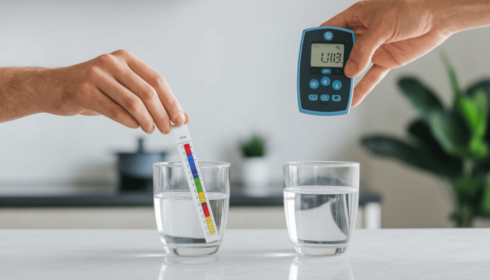


There’s something oddly satisfying about turning on your kitchen faucet and knowing the water that flows out is doing more than just quenching your thirst. It’s clean, crisp, and might even be helping your body in ways you never really thought about. That’s the quiet power behind the growing interest in alkaline water filters — a subtle shift that’s starting to feel a lot like a wellness movement in disguise.
Let’s unpack what’s really going on here, and why so many households are choosing smarter water solutions to keep their bodies — and their tastebuds — happier.
The Basics: Why Filtration Still Matters
You’d think in 2025, we’d all be drinking water that’s pristine straight from the tap. But reality begs to differ. Old pipes, industrial runoff, and even aging municipal systems can all impact water quality. And it’s not just about the obvious culprits — sometimes it’s the invisible contaminants that are most concerning.
That’s where home filtration systems step in, especially those designed for lead and arsenic removal. These are two toxins you absolutely don’t want lingering in your daily hydration routine. They’re tasteless, odourless, and harmful even in small amounts — and most basic filters don’t even touch them. Investing in a filter that specifically targets these metals isn’t just smart — it’s protective.
The Rise of the Alkaline Boost
Beyond just “removing the bad stuff,” today’s consumers want something extra — a benefit that feels like it’s actively supporting their health.
That’s where the alkaline boost option comes in.
Alkaline water, which has a higher pH level than regular tap, is often marketed as helping neutralize acid in the body. Some swear by it for improving digestion, increasing energy, and even reducing symptoms like acid reflux. While the science is still evolving, anecdotally, many people just say it feels better — less harsh, more refreshing, and a bit more like nature intended.
Plus, most alkaline filters don’t just increase pH — they also add back beneficial minerals like calcium and magnesium. That’s something regular RO systems strip out entirely. And let’s be real: If you can hydrate and nourish in one go, why wouldn’t you?
Taste — The Underrated Dealbreaker
You could have the most scientifically engineered filter on the planet… but if the water tastes off, it’s going to sit untouched. That’s where the true heroes of filtration show up: the ones that nail the balance between performance and improved water taste.
Because taste does matter. It’s the difference between reaching for a glass of water or grabbing a sugary soda. And better-tasting water actually encourages healthier habits. Many users report that after switching to high-quality alkaline filters, their water tastes smoother — with a certain “lightness” that’s hard to put into words, but easy to enjoy.
It’s not magic. It’s the result of multi-stage filtration that removes chlorine, sulfur, and heavy metals — the usual suspects when water tastes like it’s been filtered through an old gym sock.
Real Talk: Is It All Just Hype?
You might be thinking, “Okay, but is this all just wellness marketing dressed up with techy buzzwords?”
Fair question. And honestly, some of it is. There are definitely systems out there charging premium prices for marginal gains. But that doesn’t mean the entire category is hype.
When you find a system that checks off the essentials — certified contaminant removal, mineral reintroduction, and pH balancing — it’s less about gimmicks and more about giving your body the kind of water it deserves. Especially if you live in areas with older infrastructure or questionable tap sources.
And let’s not forget: better water can mean fewer plastic bottles, fewer stomach issues, and maybe even fewer doctor visits. That’s a win on all fronts.
What to Look for in a Solid Filter
If you’re sold on the idea, or at least filter-curious, here’s a no-nonsense list of what to consider:
- NSF/ANSI certifications for contaminant reduction (especially lead and arsenic).
- A legitimate alkaline boost option — not just a marketing claim, but backed by real mineral enhancement.
- Multi-stage filters that handle both physical and chemical contaminants.
- Easy cartridge replacements (you shouldn’t need a wrench and a YouTube tutorial every time).
- Honest customer reviews — because nothing reveals long-term performance better than real people using it day in and day out.
Also, think about the design. Some under-sink systems are sleek and discreet. Others… not so much. If it’s going in your kitchen, you want it to fit both functionally and aesthetically.
The Ripple Effect
Once people make the switch, they often wonder why they didn’t do it sooner. Kids start drinking more water. Guests ask why it tastes so good. Even cooking feels subtly upgraded — because when the base ingredient is better, everything else follows suit.
And let’s face it, in a world filled with uncertainties, having control over one vital thing — like what goes into your glass — can feel surprisingly grounding.
It’s not just about hydration anymore. It’s about peace of mind.
Final Thoughts: The Health Hack Hiding in Plain Sight
Water is the most basic necessity of life, but it’s often the most overlooked. We get distracted by superfoods, supplements, and 10-step skin routines — forgetting that most of our body is made of the very thing we let flow unfiltered through our taps.
So no, upgrading your water system isn’t about chasing trends. It’s about investing in the foundation of your health. One sip at a time.
And if that sip happens to be smoother, cleaner, and full of essential minerals? Even better.