


We don’t often think about the water running through industrial pipes. It’s just… there. But scratch beneath the surface of any successful manufacturing facility, commercial kitchen, data center, or pharmaceutical lab, and you’ll discover something surprising: water quality isn’t just important—it’s mission-critical.
Whether it’s cooling systems that can’t risk mineral buildup, food production lines that demand sterile precision, or textile plants seeking sustainable rinse cycles, water treatment is no longer a side gig. It’s a core part of keeping businesses flowing—literally and figuratively.
Let’s walk through why more companies are investing in water treatment for enterprises, and what it really takes to get it right.
Water That Works as Hard as You Do
Think about how many systems rely on clean water: HVAC cooling towers, steam boilers, dishwashing stations, laboratory analysis, beverage bottling, semiconductor cleaning… the list goes on. One hiccup in water quality, and suddenly, you’re dealing with fouled machinery, contaminated products, or safety violations.
It’s not just about compliance (though that’s a biggie). It’s about performance. Water that’s too hard, too mineral-rich, too microbial, or too acidic can quietly destroy equipment and profits over time. That’s why businesses are leaning into smarter water solutions that adapt to their unique usage demands.
Because every enterprise is different, so is their water. No off-the-shelf filter from a home improvement store is going to cut it.
The Shift Toward Smarter Systems
Old-school filtration systems often relied on manual monitoring, routine chemical dosing, and guesswork. But today’s commercial setups? They’re digital, adaptive, and often automated. They log data in real-time, adjust treatments on the fly, and even send alerts if something’s off balance.
Why does that matter?
Because modern businesses are under more pressure than ever. Environmental regulations are tightening. Customers care about sustainability. And supply chain disruptions mean equipment failure isn’t just inconvenient—it’s disastrous.
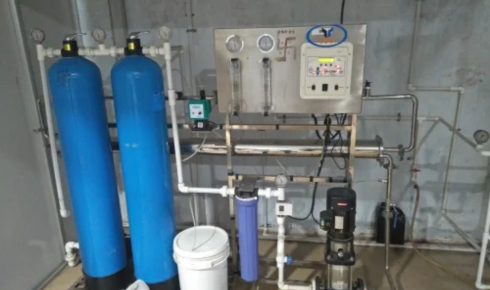
This is where industrial water purification steps up. It’s not about making water taste better; it’s about ensuring long-term resilience. From multi-stage reverse osmosis systems to UV sterilization and smart ion exchange units, today’s solutions are robust and scalable.
And they’re becoming as essential as reliable electricity or cybersecurity firewalls.
Real Talk: Purity with a Purpose
Let’s zoom in on one scenario. Imagine a craft brewery scaling up production. The water source? Well water, rich in minerals that might affect taste and consistency. Without treatment, the resulting beer could vary batch to batch. That’s a branding nightmare.
Or picture a tech manufacturer running ultrapure water through silicon wafers. One invisible contaminant and the entire batch could be toast.
In both cases, the stakes are sky-high—and the water, surprisingly, holds the outcome.
Enter the need for reliable commercial products in the water game. Not gimmicky gadgets. Not fragile filters. But tried-and-tested systems that don’t flinch under pressure. Products that don’t just meet expectations—they exceed them, quietly doing their job 24/7 while you focus on your bottom line.
Cutting Corners? Don’t.
Here’s the thing: a lot of enterprises try to cut corners on water treatment. Maybe they use residential-grade systems in commercial environments. Or worse, they rely on outdated infrastructure that “still kind of works.”
That’s like putting bargain tires on a freight truck and hoping it doesn’t blow out on the highway.
Water treatment isn’t a luxury for enterprises anymore—it’s foundational. Especially in sectors where health, safety, and uptime are non-negotiable.
So what should a business look for?
- Customizability: Every operation’s water profile is unique.
- Durability: Industrial use demands rugged builds.
- Support & Servicing: Because even the best systems need TLC.
- Efficiency: Today’s systems should conserve water, energy, and effort.
Skip any of those boxes, and you’re just inviting headaches.
The ROI Most People Miss
There’s an unsung ROI in water treatment that many folks overlook: peace of mind.
When your team doesn’t have to constantly worry about clogged valves, bacterial risks, or surprise downtime, they can focus on what actually grows your business. When your compliance reports are squeaky clean, you sleep better. And when your sustainability reports reflect real effort, customers notice.
Plus, there’s the cold hard cash: lower maintenance costs, longer equipment lifespan, reduced waste, and sometimes even lower utility bills. Not too shabby, right?
Future-Proofing Your Flow
As climate patterns shift and freshwater access becomes more volatile, water security is going to be a huge theme in enterprise operations. More companies are incorporating water recycling, greywater reuse, and rain harvesting into their infrastructure plans.
But these strategies only work when paired with solid filtration and treatment tech.
Whether you’re running a hotel chain, managing a university campus, or scaling up a food production facility, the question is no longer “Should we invest in water purification?” It’s “How soon can we upgrade?”
The businesses that act early are the ones that stay ahead.
Final Thoughts: Don’t Wait for the Wake-Up Call
Too often, companies only truly evaluate their water systems after something goes wrong—a leak, a contamination scare, a failed inspection.
But by then, the damage is already done. And the cost? Far more than just replacing a filter.
The smart move? Treat water treatment like you treat cybersecurity or financial audits: essential, proactive, and worth every penny. Whether you’re safeguarding your brand, your equipment, your customers, or your long-term operating costs—it all flows back to the same source.
In a world where one wrong droplet can ruin a whole operation, clean water isn’t a convenience. It’s a competitive advantage.
So don’t just go with the flow. Control it.