
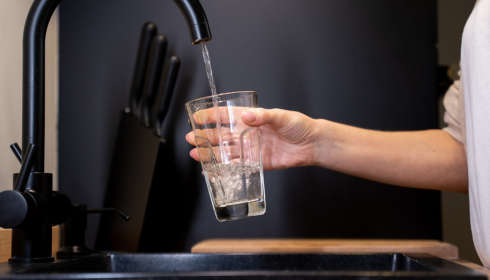


Let’s face it—when you visit or move to a new place, one of the first questions that hits you during a late-night thirst or a boiling pasta moment is: Can I drink the tap water here? It’s a small thing, but it matters more than we often admit.
Salt Lake City, with its picturesque mountain views and crisp high-altitude air, has plenty to love. But when you turn on the faucet, do you really know what’s coming out? That’s the real question we’re here to explore.
The Quick, Straightforward Answer
Let’s not dance around it. For most people, Salt Lake City tap water is considered safe to drink. The city follows all federal and state safety guidelines, and its water comes primarily from mountain streams, rivers, and reservoirs that are relatively clean to begin with.
But that’s the basic version of the answer—and real life is rarely that simple. Whether you’re a health-conscious mom, a traveling backpacker, or someone who just doesn’t trust tap water since that one experience in college, you probably want a little more insight than just “it’s fine.”
So let’s unpack this calmly, like we’re having a coffee chat (with water, of course).
Where the Water Comes From
Salt Lake City gets its drinking water from a mix of sources—mainly the Wasatch Mountain snowpack, treated groundwater wells, and protected watersheds. Those snow-fed mountain streams sound dreamy, and honestly, they’re a big part of why the water quality starts off strong.
The city treats this water at several facilities using filtration and disinfection techniques. Chlorine is commonly used to kill bacteria, which might not sound like the healthiest thing, but it’s standard across most U.S. cities and keeps nasty bugs like E. coli out of your glass.
Add to that: the city also performs regular testing, publishes annual water quality reports, and tries to stay pretty transparent about what’s in your H2O.
But What About Taste?
Now, let’s be real—”safe” doesn’t always mean “tasty.”
You might find Salt Lake City tap water has a bit of a mineral taste. That’s partly due to its “hardness,” meaning it has a higher content of calcium and magnesium. Hard water isn’t dangerous—it’s just a little rough on appliances and maybe your hair.
Some folks don’t mind the taste, others reach for the filtered pitcher. If you’re used to soft water or ultra-purified bottled water, SLC tap water might take a little getting used to. But again, it’s not a safety issue—just a flavor profile.
What the Reports Actually Say
Every year, Salt Lake City releases a Consumer Confidence Report (CCR) outlining what’s in the water. Spoiler alert: They almost always meet or beat EPA guidelines. The last few years have shown low levels of contaminants, no major health violations, and good marks across the board.
But if you dig into those reports, you’ll find small traces of things like fluoride, arsenic, or nitrates. Before you panic, understand that these are within legal limits and extremely common in public water systems around the country.
So if you’ve been wondering is Salt Lake City tap water safe to drink, the science says yes. But keep reading, because the “yes” sometimes comes with caveats depending on who you are and what concerns you might have.
Special Considerations for Sensitive Groups
Pregnant women, babies, people with compromised immune systems, or anyone undergoing medical treatments (like dialysis) may want to be more cautious. Some trace elements that are considered safe for the general public could be problematic in very specific situations.
In those cases, filtered or bottled water might offer peace of mind. And let’s be honest—sometimes it’s not about hard science, it’s about comfort.
So if someone asks you is tap water safe to drink in Salt Lake City, the safest answer might be: “For most people, absolutely. But if you’ve got special needs, ask your doctor or go filtered.”
What Locals Actually Do
Anecdotally, a good chunk of SLC residents just drink it straight from the tap. Many use fridge filters or under-sink reverse osmosis systems—not because the water is unsafe, but because they prefer the taste smoother or want to reduce chlorine.
Others just don’t like the idea of anything being in their water—even if the data says it’s okay. And that’s fair too. No judgment. Trusting your water supply is personal, and habits are hard to change once formed.
The Elephant in the Room: The Great Salt Lake
People sometimes hear “Salt Lake” and assume the city’s drinking water must be salty or funky. Nope. The Great Salt Lake is not the city’s drinking source (thankfully!). It’s too salty and not even close to drinkable. So rest assured—your tap water has nothing to do with the salty lake it’s named after.
In fact, many of the actual water sources are located in protected canyons, far away from industrial zones or heavily populated areas. That matters more than you’d think in a world where pollution can find its way into just about everything.
A Few Handy Tips If You’re New in Town
- First few seconds? Let it run. If your faucet hasn’t been used in a while, let it run for 30 seconds. That clears out old water sitting in your pipes.
- Check your plumbing. Older homes might have lead pipes or outdated materials. The city can deliver clean water, but your home’s plumbing plays a role in what comes out of the tap.
- Read the report. Salt Lake City’s Water Division posts updates and water quality reports online. It’s worth reading once a year, just to stay informed.
- Buy a filter if you’re worried. A simple activated carbon filter can remove most of the stuff people get squeamish about. It’s a cheap peace-of-mind investment.
So, Should You Drink It?
Here’s the down-to-earth conclusion: yes, drink the water.
It’s safe, regulated, and monitored. It might not taste like bottled spring water, but it won’t hurt you. For most folks, it’s more than fine—it’s pretty good, all things considered.
So next time someone nervously asks you is tap water safe to drink in Salt Lake City, you can confidently say: “Yeah, it’s not bad at all. Just maybe grab a filter if you’re picky.”
Final Thoughts: Don’t Overthink It (But Stay Informed)
Tap water is one of those things that becomes invisible—until it isn’t. In Salt Lake City, the water isn’t just safe, it’s handled with more care than many people realize. It might not make headlines, but it does its job quietly, every single day.