


You don’t usually think about water when you’re planning ways to improve your home. You think about lighting. Paint colors. Maybe new flooring or updated appliances. Water? It’s just there. Reliable. Functional. Invisible.
Until it isn’t.
Maybe your tap has that faint swimming pool scent. Maybe your skin feels tight after a shower. Maybe your coffee tastes slightly off, and you can’t quite figure out why. These aren’t dramatic problems. They’re subtle irritations. But subtle things have a way of stacking up.
And that’s where the conversation around water quality begins — not with fear, but with curiosity.
When Water Affects More Than You Realize
Water runs through everything. It fills your kettle in the morning. It steams up your bathroom mirror. It washes your clothes and rinses your vegetables. It touches nearly every daily routine.
When it’s slightly out of balance, you notice it in ways you might not immediately connect to water itself. Towels feel stiff. Glassware looks cloudy. Showers feel less refreshing.
Improving water quality often enhances overall household comfort in ways that are hard to describe until you experience them. Softer showers. Cleaner-feeling laundry. Less residue on fixtures. It’s not flashy, but it’s meaningful.
There’s something grounding about knowing the basics are working well. When water feels right, everything else flows a little easier.
The Taste Test
Let’s talk about drinking water specifically.
Municipal water is treated to be safe, which is essential. But treatment often involves disinfectants like chlorine. While effective, they can leave behind a noticeable flavor and odor. You might not describe it as “bad,” just not great.
That’s where systems designed for chlorine reduction come into play.
Activated carbon filters are commonly used to remove chlorine and certain organic compounds. The difference can be immediate. Coffee tastes brighter. Tea feels cleaner. Even plain water feels more neutral and refreshing.
I remember visiting a friend who installed a simple under-sink carbon filter. She handed me a glass and said, “Tell me that doesn’t taste different.” I wanted to roll my eyes — water is water, right? But it really was smoother. Less sharp. It’s one of those small upgrades that quietly improves daily life.
And when water tastes better, you naturally drink more of it.
Beyond Basic Filtration
Some homeowners take things a step further with systems that provide what’s often described as a final refinement — a kind of finishing touch.
You’ll sometimes hear the phrase drinking water polish, which refers to that last stage of filtration that enhances clarity and taste. It’s not about overhauling the entire house’s water supply; it’s about refining what you consume most directly.
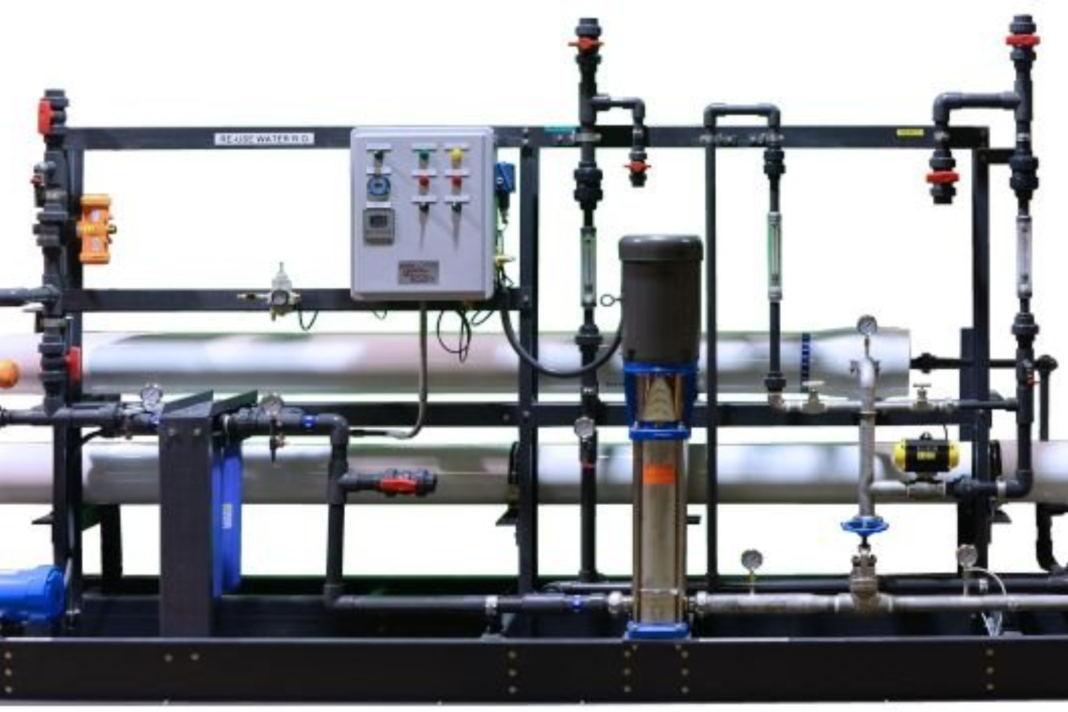
Reverse osmosis units and multi-stage under-sink systems often serve this purpose. They reduce dissolved solids and fine-tune flavor. For households particularly focused on drinking water quality, this targeted approach makes sense.
It’s precise rather than excessive.
Practical Benefits You Can Feel
Improved water doesn’t just affect taste. It influences how your home operates behind the scenes.
Mineral-heavy water can shorten appliance lifespan. Sediment can clog fixtures. Chlorine can dry out skin and hair. Addressing these issues isn’t just about comfort; it’s about efficiency.
Water softeners, carbon filters, and sediment systems all play different roles. The right combination depends on what’s actually in your water. That’s why testing is so valuable. It prevents guesswork and ensures you’re solving real problems instead of imagined ones.
When systems are properly matched to your needs, maintenance becomes manageable. Filter changes on schedule. Occasional inspections. Nothing overwhelming.
The Emotional Side of Clean Water
There’s also a psychological element at play.
When you’re confident in your water quality, you stop second-guessing every sip. You stop buying bottled water out of habit. You stop wondering whether that faint taste is normal.
Clean, well-balanced water creates a quiet sense of reassurance.
And honestly, that peace of mind is worth something.
Choosing the Right Path
The temptation when researching water treatment is to chase the most advanced system available. But bigger isn’t always better. More stages don’t automatically mean more benefit.
Start with testing. Identify hardness levels, chlorine content, sediment presence. Then choose a solution that addresses those specifics.
For some homes, a simple carbon filter is enough. For others, a layered approach makes sense. The goal isn’t complexity — it’s alignment.
A Subtle Shift That Adds Up
We often invest in visible home improvements. But water works behind the scenes, influencing nearly everything.
When you improve it thoughtfully, you notice the difference in quiet ways. Showers feel smoother. Glassware sparkles. Coffee tastes right. Your home feels just a little more comfortable.
And over time, those small changes add up.
Water may be one of the most overlooked aspects of home improvement, but it’s also one of the most foundational. When it’s balanced, filtered, and thoughtfully managed, it supports your daily life without demanding attention.
That’s the real goal.
Because the best upgrades aren’t always the ones that impress your guests. Sometimes, they’re the ones that make your everyday routines feel just a bit better — without you even thinking about it.