Protecting Your Household Water With UV Purification: What Homeowners Should Know
Most of us feel reasonably comfortable drinking water that looks clear, smells fresh, and tastes perfectly normal. But water quality isn’t always something we can judge with our senses. Certain microorganisms can remain present without leaving any noticeable signs, making them particularly difficult for homeowners to detect without proper testing. Modern UV water purification systems […]
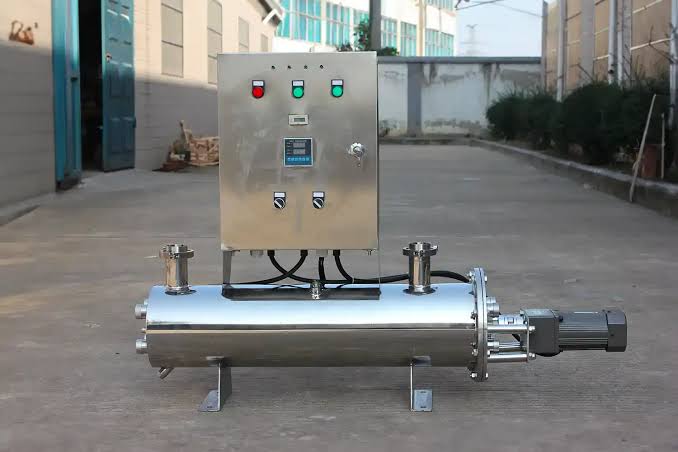
Most of us feel reasonably comfortable drinking water that looks clear, smells fresh, and tastes perfectly normal. But water quality isn’t always something we can judge with our senses. Certain microorganisms can remain present without leaving any noticeable signs, making them particularly difficult for homeowners to detect without proper testing.
Modern UV water purification systems offer a practical approach to addressing microbial contamination without adding chemical disinfectants during the treatment process.
For households concerned about their drinking water, particularly those relying on private wells, ultraviolet technology is certainly worth understanding. It’s relatively straightforward in principle, although getting dependable results requires appropriate equipment, installation, and regular maintenance.
How Ultraviolet Technology Helps Improve Water Quality
Unlike conventional filters that physically capture suspended particles, ultraviolet equipment uses light to address microbial contamination.
The process of water disinfection using ultraviolet light involves exposing flowing water to a controlled UV dose inside a specialized treatment chamber, damaging the genetic material of susceptible microorganisms and preventing them from reproducing effectively.
When properly designed and maintained, this technology can inactivate various bacteria, viruses, and protozoa.
One appealing aspect is that ultraviolet treatment doesn’t introduce a chemical disinfectant that could influence water taste.
However, treatment effectiveness depends on several factors, including water clarity, exposure time, flow rate, and lamp performance.
It’s an effective technology under suitable conditions, but it needs to be part of a thoughtfully planned water treatment arrangement.
Why Microbial Contamination Deserves Attention
Water contamination isn’t always as obvious as cloudy water or an unpleasant smell. In fact, some potentially harmful microorganisms can be present in water that looks completely normal.
Private well owners should be particularly mindful of this possibility.
Heavy rainfall, flooding, damaged well components, and nearby environmental activities may influence groundwater quality.
Even a well that has provided dependable water for years can experience changing conditions.
Regular laboratory testing helps identify microbial concerns and provides valuable information about whether additional treatment is necessary.
When contamination is detected, investigating its source remains important. Installing disinfection equipment shouldn’t replace necessary well repairs or measures to prevent contamination from entering the supply.
Creating a More Complete Household Treatment System
One of the biggest advantages of modern water treatment is the ability to combine different technologies according to your particular requirements.
Effective residential UV water filtration often incorporates preliminary particle filtration and other suitable treatment methods to create conditions in which ultraviolet disinfection can perform reliably.
For example, sediment cartridges can help reduce suspended particles that might interfere with ultraviolet light transmission.
Excessive iron or hardness may also require attention because mineral deposits can accumulate on the lamp’s protective sleeve.
Activated carbon filtration may be worthwhile if separate concerns involving taste or odor exist.
Each component serves a different purpose. Rather than installing unnecessary equipment, homeowners should focus on treatment technologies that address their actual water conditions.
A coordinated arrangement can often provide more dependable results than relying on a single device.
Choosing Equipment That Keeps Up With Everyday Demand
Think about a busy morning when everyone is getting ready for work or school. Several faucets might be running, someone is taking a shower, and the dishwasher is already operating.
A whole-house ultraviolet system needs to accommodate these demands without exceeding its rated treatment capacity.
Before purchasing equipment, consider peak water consumption, available installation space, incoming water quality, and electrical requirements.
Look for independently verified disinfection performance appropriate for your intended application.
Some systems include monitoring sensors, warning alarms, and automatic shutoff features that respond to certain equipment failures.
These features deserve consideration because inadequate ultraviolet exposure isn’t necessarily something you’ll notice through changes in water appearance or taste.
Understanding What UV Treatment Cannot Do
Despite its advantages, ultraviolet technology isn’t designed to solve every water quality problem.
It doesn’t remove dissolved hardness minerals, heavy metals, chemical pollutants, or suspended sediment. Separate treatment methods may be necessary to address these concerns.
Ultraviolet disinfection also doesn’t leave a protective disinfectant residual in downstream plumbing.
Electricity is another consideration. If the power goes out, ordinary UV equipment stops providing active treatment.
Homeowners should understand the precautions recommended by their installer or equipment manufacturer during interruptions.
Knowing these limitations helps establish realistic expectations and makes it easier to develop an appropriate treatment strategy.
Regular Maintenance Is More Important Than You Might Think
Once ultraviolet equipment is installed, it’s tempting to forget about it. After all, most systems operate quietly in a utility room or basement.
However, ultraviolet lamps gradually lose treatment effectiveness, even if they’re still producing visible light.
Protective sleeves may accumulate deposits, and preliminary filtration cartridges require periodic replacement.
Following manufacturer maintenance recommendations helps preserve the equipment’s intended performance.
Keep track of lamp replacement dates and investigate warning indicators promptly.
Periodic laboratory testing remains important, particularly for private well owners who depend on their treatment arrangement to address microbial contamination.
Routine upkeep may not be the most exciting household responsibility, but it’s certainly a worthwhile one.
Making Water Protection Part of Everyday Home Care
Improving household water quality begins with understanding what’s actually present in your supply. Reliable testing, appropriate equipment selection, and consistent maintenance provide a practical foundation for making better treatment decisions.
Ultraviolet disinfection can be a valuable part of that approach, particularly when microbial concerns require attention.
Ultimately, water is involved in nearly everything we do at home. Preparing meals, washing fresh produce, filling drinking bottles, and enjoying a quiet cup of tea.
Taking sensible steps to protect its quality isn’t about unnecessary worry or complicated technology. It’s about looking after something your family depends on every single day, and that’s an investment well worth making.