
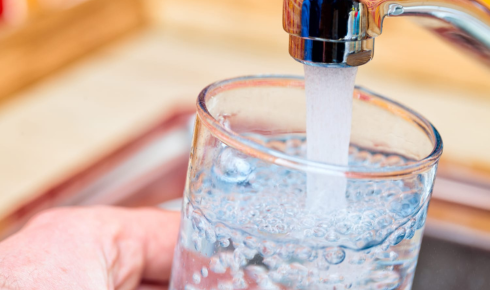


Let’s be honest—no one really gets excited about tap water. It’s not glamorous, it doesn’t sparkle (unless you’ve got a weird plumbing issue), and you probably don’t think twice about it… until you move to a new city. And if that new city happens to be Austin, Texas, chances are the question “is the water safe to drink here?” has crossed your mind more than once. Maybe the taste threw you off, or maybe you’re just used to filtering everything.
So let’s dig in—what’s really going on with the tap water in Austin?
A Little Background First: Austin’s Water Supply
Before we get to whether it’s safe or not, let’s talk about where it comes from. Most of Austin’s water flows in from the Colorado River (nope, not the Grand Canyon one—the Texas version). It gets treated at one of three major plants: Ullrich, Davis, and Handcox Water Treatment Plants. These facilities are run by Austin Water, the utility responsible for keeping everything flowing, literally.
The city follows federal and state drinking water standards, and each year Austin Water publishes its water quality report. It’s basically the city’s version of a report card. So far? They’re not failing. In fact, most years, Austin’s water meets or exceeds EPA guidelines.
But here’s the catch: just because water is legally safe doesn’t mean it’s always perfect.
So… Can You Drink the Tap Water in Austin?
Yes, you can drink the tap water in Austin. Legally, it’s deemed safe. But “can” and “should” don’t always feel like the same thing, right?
A lot of residents still filter their water—whether it’s with a Brita pitcher, an under-sink reverse osmosis setup, or just grabbing jugs of spring water at H-E-B. Why? Because of taste, smell, or the occasional hiccup in water quality that can pop up during weather events or infrastructure issues.
For example, Austin’s had more than a few “boil water notices” over the last decade. Some due to floods that overwhelmed treatment plants. Others due to freezing temps (hello, Snowpocalypse of 2021). And when those notices happen, trust in the tap tends to dip a bit—understandably so.
The Taste Factor: It’s… an Acquired One
Let’s talk about the elephant in the kitchen sink: the taste.
Some people describe Austin tap water as “earthy” or “musty.” Others say it smells like a swimming pool on certain days. The culprit? Often it’s harmless algae blooms in Lake Austin or naturally occurring minerals. Chlorine is also added as a disinfectant, which can add its own flair.
Technically, none of these things make the water unsafe, but they do make it less… appealing.
It’s one thing to know your water is safe. It’s another to actually enjoy drinking it.
What About Lead or Other Contaminants?
This is where it gets serious. Nationwide, the conversation about tap water often turns to lead, PFAS, and other potentially dangerous contaminants.
Austin’s water infrastructure isn’t ancient, but it’s also not immune to corrosion or aging pipes. Austin Water does regular testing and has not had widespread lead issues in its results. But—and it’s a big but—lead can leach from older plumbing inside homes, especially those built before 1986.
So even if the water leaving the treatment plant is clean, it might pick up something along the way. That’s why many people in older neighborhoods or rental properties choose to install a filter, just to be on the safe side.
If you’re really concerned, you can get your home’s water tested, or check the most recent Consumer Confidence Report (Austin Water makes this available online each year).
Boil Water Notices and Weather Events: What Gives?
Here’s where Austin’s climate and infrastructure make things tricky. Severe weather—be it hurricanes, freezes, or floods—can impact the city’s water treatment ability. That’s led to several boil water notices in the last few years.
And here’s the thing: a boil water notice doesn’t necessarily mean there is contamination, but that there might be. It’s a precautionary move. Still, it’s unsettling when you wake up and see a text from the city telling you not to drink from your faucet without boiling it first.
So if you’re wondering, “is Austin Texas tap water safe to drink?”, the answer is mostly yes—but with an asterisk. If there’s no notice in place, and you’re not living in an old building with corroded plumbing, you’re probably fine. Still, a filter doesn’t hurt.
The Role of Filters: Just Peace of Mind?
So let’s say you don’t like the taste, or you’re just not totally sold on trusting old pipes. Filters can help. Even a simple carbon filter can improve taste and reduce some common impurities. If you want to go all-in, there are reverse osmosis systems that strip just about everything out (including beneficial minerals, FYI).
For many Austinites, filters are less about necessity and more about comfort. They provide that extra layer of reassurance—especially if you’ve got kids, a compromised immune system, or you’re just a health-conscious human being.
Final Takeaway: What Should You Do?
Water in Austin is treated, regulated, and tested. By the book, it’s safe. You won’t get sick from it under normal conditions. But the occasional boil notice, musty flavor, and local quirks make it one of those “know your situation” kind of deals.
If you’re moving to Austin, visiting, or just finally deciding to look into your water situation, it’s fair to ask questions. It’s your health, your kitchen, your peace of mind. And hey, water is literally life.
Some folks drink straight from the tap, no problem. Others swear by filters or bottled water. There’s no one-size-fits-all answer here, but it’s helpful to know the facts.
If you’re still wondering about the tap water in Austin, don’t stress too much. Just get familiar with your pipes, stay updated on city alerts, and consider tossing a filter in your shopping cart next time you hit up Target.