


You ever notice how we rarely think about what goes down our drains until things stop working? Out of sight, out of mind—that’s the motto, right? We go about our routines, brushing teeth, rinsing dishes, washing our hands—until one day the water stops swirling down as fast as it should. That’s when reality bubbles up, sometimes quite literally.
Funny thing is, the drain isn’t just a pipe. It’s a silent part of our lives that carries away the daily grime—soap, food scraps, stray strands of hair, toothpaste spit, even the remnants of a burnt dinner we’d rather forget. It works quietly in the background, until it doesn’t. And when it clogs, well, everything suddenly becomes a bit more… swampy.
That One Time a Clog Taught Me Patience
Let me tell you a story. Not too long ago, the kitchen sink backed up. Nothing dramatic at first—just a slow drain. I did the usual. Boiled water. Baking soda. Vinegar. The things Google says will “guarantee results.” And maybe they help when it’s a light buildup. But this one was stubborn. I could hear gurgling, almost like the pipe was trying to talk back.
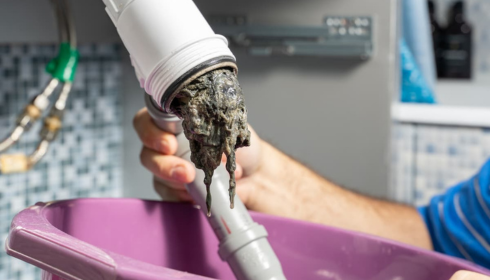
Eventually, I called a plumber. Ten minutes into the job, he pulls out what can only be described as a horrifying noodle of greasy gunk, hair, and forgotten leftovers. A decade’s worth of bad habits, flushed away in one call.
It turns out, drain cleaning is not just some occasional chore. It’s maintenance, protection, and even a little self-care. We clean our homes, our cars, our bodies—why not our drains? They’re part of the infrastructure that holds our daily life together. And when they’re neglected, they fight back.
Why The Right Tools (And People) Matter
There’s a difference between what you can fix with a plunger and what requires a little more muscle. Take hydro jetting, for example. I didn’t know what that was until a buddy of mine—who owns a restaurant—had his whole kitchen shut down due to a recurring drain issue. Regular snaking didn’t cut it. Turns out, the pipes were lined with years of grease buildup, like cholesterol in an artery.
Hydro jetting is exactly what it sounds like: blasting high-pressure water into the pipes to scour the walls clean. No chemicals. No damage. Just power and precision. Watching it work is weirdly satisfying, like pressure washing a filthy driveway.
And it’s not just for restaurants. Residential homes benefit too, especially older ones or houses surrounded by trees (those roots sneak in anywhere they can).
You could say it’s overkill for a slow drain—but really, it’s about doing the job once and doing it right. Because band-aids only last so long.
Under the Sink: The Most Overlooked Spot in Your House
There’s something funny about the cabinet under the sink. It’s where we keep the messiest stuff—trash bags, old sponges, leaking bottles of cleaner—and yet we expect it to behave. We assume the plumbing under there will work forever, despite years of drips, knocks, and makeshift fixes.
One of the most common problems? The sink drain. It’s not flashy or complicated, but it’s the frontline of your kitchen and bathroom routines. A poorly installed drain can leak, rattle, trap food, or even let smells escape.
And when that happens, suddenly the whole space feels wrong. It’s not just annoying—it’s disruptive. Water backing up when you’re prepping dinner or a mysterious odor during a party is enough to drive anyone crazy.
Take the time to look under there once in a while. Tighten things. Clear the trap. Ask yourself if that slow drain has become your new normal. It doesn’t have to be.
Plumbing Lessons No One Teaches You
No one teaches you how to be a responsible homeowner. Sure, you learn about mortgages and insurance, but no one sits you down and says, “Here’s what to do when your bathroom starts making gurgling noises.” So you figure it out, usually after it’s too late.
You start noticing the signs—a funky smell, a bubble where there shouldn’t be, water pooling instead of draining. And you learn to respect what happens behind the walls and under the floors.
There’s something oddly humbling about it. You realize you can’t just live on top of the mess—you’ve got to take care of what supports your life, even when it’s hidden from view.
Maintenance is Love, Just Less Romantic
The older I get, the more I see maintenance as an act of love. For your home. For your family. For yourself. It’s not glamorous, but it’s real.
Calling a plumber before disaster strikes isn’t paranoia—it’s wisdom. Scheduling yearly checks might sound excessive—until it saves you thousands. Investing in quality piping, trap seals, or even a modern garbage disposal may not earn you compliments at dinner parties, but they’ll save your sanity when your kitchen gets hectic.
Think of it as emotional plumbing. You clear out the buildup before it becomes blockage. You don’t let things fester. You deal with the gunk, so your life flows easier.
What I’ve Learned the Hard Way (So You Don’t Have To)
- If something smells off, trust your nose. That’s your early warning system.
- Don’t pour bacon grease down the sink. Just don’t.
- The $4 drain strainer is worth it—buy two.
- DIY has its limits. There’s no shame in calling someone who knows what they’re doing.
- Maintenance isn’t a one-time thing. It’s a rhythm. A routine.
Ending with a Bit of Gratitude
So, the next time your water flows freely down the drain, take a second to appreciate it. Someone made that happen—maybe a plumber, maybe you. Either way, it’s one less thing to worry about in a world already full of things.