


There’s a certain satisfaction in finding something that works quietly in the background. No drama. No fuss. Just steady, reliable performance. In today’s homes — where space is limited, time feels scarce, and expectations are high — that kind of simplicity carries weight.
Water systems are a good example. For years, bulky tanks and complicated plumbing setups made water treatment feel like an industrial affair. Functional, yes. Elegant? Not so much. But things have changed. Technology has shrunk. Design has improved. And homeowners are realizing they don’t need an entire garage corner devoted to water treatment anymore.
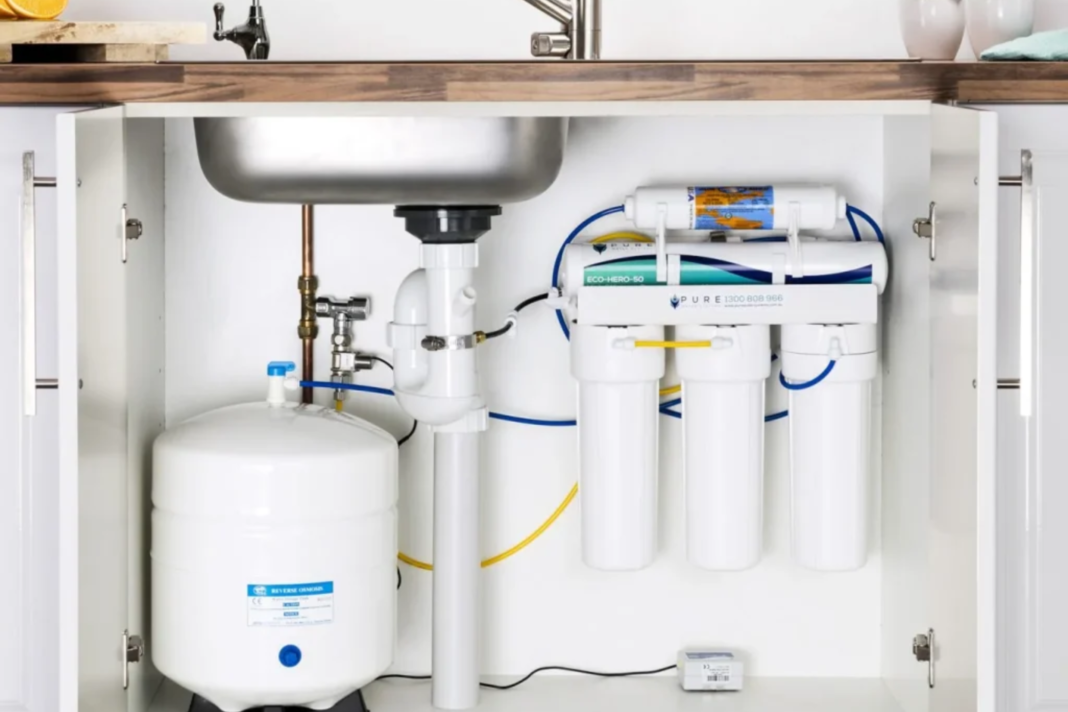
The modern shift toward compact systems is reshaping how we think about water at home. These streamlined units fit under sinks, in small utility closets, or neatly along a wall without dominating the room. For apartment dwellers or homeowners with limited space, that’s not a small detail — it’s a game-changer.
I once helped a friend remodel a narrow city apartment kitchen. Every inch mattered. When it came time to install a filtration unit, we assumed we’d have to sacrifice storage. Instead, the new system tucked discreetly beneath the sink, leaving room for cleaning supplies and a recycling bin. No compromise required.
It’s a small victory, sure. But in homes where square footage is precious, smart design counts.
Less Time Fixing, More Time Living
Let’s be honest — no one dreams about maintaining a water system. The goal is clean water, not another item on an endless household checklist. That’s why modern designs emphasize durability and simplicity.
Many newer units are intentionally built for low maintenance performance. Filters last longer. Alerts notify homeowners when replacements are needed. Some systems even feature quick-swap cartridges that take minutes to change, no tools required.
That ease matters more than we admit. The easier something is to maintain, the more likely we are to keep up with it. And consistent maintenance directly affects performance. Neglect leads to reduced filtration efficiency, which defeats the whole purpose.
There’s a kind of quiet relief in knowing a system won’t demand constant attention. You install it, check it occasionally, and go about your life. In a world that constantly asks for updates, upgrades, and subscriptions, something that simply works feels refreshingly straightforward.
Why Quality Still Comes First
Of course, convenience means little if the water itself doesn’t improve.
At the heart of any filtration or purification system is the promise of high-quality water. That phrase sounds broad, almost marketing-heavy, but it boils down to a few practical outcomes: clearer taste, fewer impurities, and greater consistency.
Water influences more than just what we drink. It affects cooking, bathing, laundry — even how long appliances last. Mineral-heavy water can leave scale buildup in pipes and heating elements. Excess chlorine can alter the flavor of food. Sediment can cloud clarity.
Upgrading to a modern system doesn’t just address one issue; it often creates a ripple effect throughout the home. Coffee tastes smoother. Skin feels less dry after a shower. Dishes dry without streaky residue. None of these changes are dramatic on their own, but together they elevate daily routines.
It’s funny how quickly we adapt to better conditions. After a few weeks of filtered water, going back to untreated tap water can feel jarring. You notice the subtle aftertaste. The faint odor. Things you once ignored become obvious.
Balancing Technology and Sustainability
One concern that sometimes surfaces is environmental impact. Water filtration shouldn’t create unnecessary waste or consume excessive energy. Fortunately, many manufacturers have addressed these issues head-on.
Modern systems are engineered to reduce wastewater and operate efficiently. Some use advanced membranes to maximize purification while minimizing water loss. Others integrate energy-saving components that keep electricity use minimal.
It’s not about chasing perfection. No system is flawless. But incremental improvements matter. When millions of households adopt more efficient designs, the cumulative impact adds up.
And there’s another sustainability angle: bottled water. Households that rely heavily on bottled options generate significant plastic waste. Installing a reliable home system reduces that dependence. Fewer trips to the store. Fewer plastic bottles. Fewer recycling headaches.
Sometimes the greener choice is also the more convenient one.
Making the Right Choice for Your Space
Choosing a system isn’t one-size-fits-all. It depends on local water conditions, household size, and personal preferences. Some areas struggle primarily with hard water minerals. Others deal with chlorine or sediment. Testing water quality before investing is always wise.
Installation complexity also varies. Under-sink systems are popular for drinking water. Whole-home units address broader concerns. Some people prioritize taste; others focus on appliance protection.
What matters most is understanding your own needs rather than chasing the latest trend. A flashy feature list doesn’t guarantee the right fit.
A Quiet Upgrade With Lasting Benefits
In many ways, upgrading your water system feels like replacing old windows or insulating an attic. It’s not glamorous. Guests won’t compliment it. But you’ll feel the difference every single day.
There’s something grounding about improving a home’s foundation rather than its façade. Clean water supports health, comfort, and longevity — all without demanding attention.
When systems are thoughtfully designed, compact enough to fit modern spaces, and built to require minimal upkeep, they blend seamlessly into daily life. And that’s the point.
Not every upgrade needs to be loud or dramatic. Some of the most valuable improvements are the ones that work quietly behind the scenes, making life just a little smoother.
Turn on the tap. Fill a glass. And appreciate the simple luxury of water that feels right — without clutter, without constant upkeep, and without compromise.