
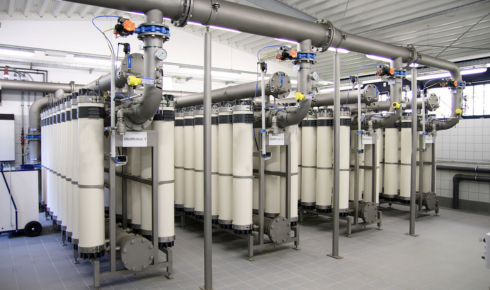


Installing a water treatment system feels like a milestone. You’ve done the research, compared options, maybe even tested your water. The equipment is in place, quietly humming along, and your tap water tastes better. Showers feel smoother. Appliances seem happier.
It’s tempting to think the job is done.
But here’s the part most homeowners don’t talk about enough: water systems, like any hardworking equipment, need attention. Not constant fussing. Not daily tinkering. Just thoughtful care.
Because even the best system in the world can’t perform at its peak forever without a little help.
The Myth of “Set It and Forget It”
Water softeners, filtration units, reverse osmosis systems—they’re designed for durability. Many operate automatically, regenerating or flushing based on usage. Some even connect to apps or smart home systems.
Still, they’re not immune to wear and tear.
Mineral buildup can affect internal valves. Filters clog over time. Resin beads degrade. Pumps and seals experience gradual stress. None of this happens overnight. It’s slow. Subtle. Easy to ignore until performance dips.
That’s where maintenance and support services come into play. Working with a reliable service provider ensures your system receives periodic inspections and adjustments before small issues become costly repairs.
It’s similar to maintaining a car. You wouldn’t drive for years without an oil change and expect smooth performance. Water systems deserve the same logic.
The Value of Regular Checkups
One of the simplest, most effective steps you can take is scheduling routine checkups.
A professional technician can assess system pressure, inspect connections, test water output, and verify regeneration cycles. These visits don’t typically take long, but they provide reassurance.
Sometimes, they uncover minor adjustments that improve efficiency immediately—like recalibrating regeneration timing based on actual water usage or adjusting salt dosage for better softening performance.
And honestly, there’s peace of mind in knowing someone has looked under the hood.
Many homeowners only think about their water system when something goes wrong. Proactive checkups shift the mindset from reactive to preventative.
Filters Don’t Last Forever
Perhaps the most overlooked aspect of system care is filter and media replacement.
Filters trap contaminants. That’s their job. But once they reach capacity, they can’t absorb more. In fact, clogged filters may reduce water pressure or even allow bypass if left too long.
Carbon filters, sediment cartridges, reverse osmosis membranes—each has a recommended lifespan. Depending on usage and water quality, that lifespan can vary.
Skipping replacement doesn’t just reduce effectiveness; it can strain the entire system. Water has to work harder to pass through clogged media, increasing wear on pumps and internal components.
Keeping a simple schedule—whether marked on a calendar or tracked through a smart monitoring system—goes a long way.
Signs Your System Needs Attention
Even without a maintenance plan, your system may send subtle signals.
Changes in water taste. Decreased water pressure. Unusual noises during regeneration cycles. Visible salt bridging in softener tanks. These aren’t emergencies, but they’re nudges.
Pay attention to them.
If you notice spots returning to dishes more quickly, or if your skin feels drier than usual, it might be time for an inspection. Systems don’t fail dramatically most of the time—they just become less efficient.
Catching that shift early makes all the difference.
The Long-Term Financial Picture
Maintenance isn’t just about comfort. It’s about protecting your investment.
Water treatment systems represent a meaningful expense. But with proper care, they can last many years—sometimes over a decade—while maintaining consistent performance.
Neglect, on the other hand, often shortens lifespan. Replacing a neglected unit prematurely costs far more than routine service visits ever would.
There’s also the energy efficiency angle. A well-maintained system regenerates optimally, uses salt and water efficiently, and prevents mineral buildup in appliances. That translates into lower utility bills and fewer repair calls.
Small maintenance steps compound over time.
DIY vs. Professional Service
Some aspects of maintenance are straightforward. Adding salt to a softener tank. Replacing a simple sediment filter. Flushing an RO system.
Other tasks—valve inspections, resin replacement, pressure adjustments—benefit from professional expertise.
The key is balance. Know what you’re comfortable handling, and don’t hesitate to call in professionals when needed. Reliable service providers often offer annual plans, making upkeep predictable and stress-free.
Peace of Mind Is Part of the Package
At its core, water treatment is about confidence. Confidence that what flows from your tap is clean, balanced, and consistent.
Maintenance protects that confidence.
When you know your system has been inspected recently, filters are fresh, and performance has been verified, you stop second-guessing. You enjoy the benefits without wondering if something’s quietly deteriorating behind the scenes.
And in a world where so many things demand attention, having one foundational system that simply works is reassuring.
Final Thoughts
Installing a water treatment system is an important step. Maintaining it is what ensures that step continues to deliver value.
Water flows through your home every single day. It deserves care.
Not complicated care. Not obsessive oversight. Just thoughtful, periodic attention that keeps everything running smoothly.
Because the best systems aren’t the ones you think about constantly. They’re the ones that quietly do their job, year after year, supported by simple habits that keep them strong.