
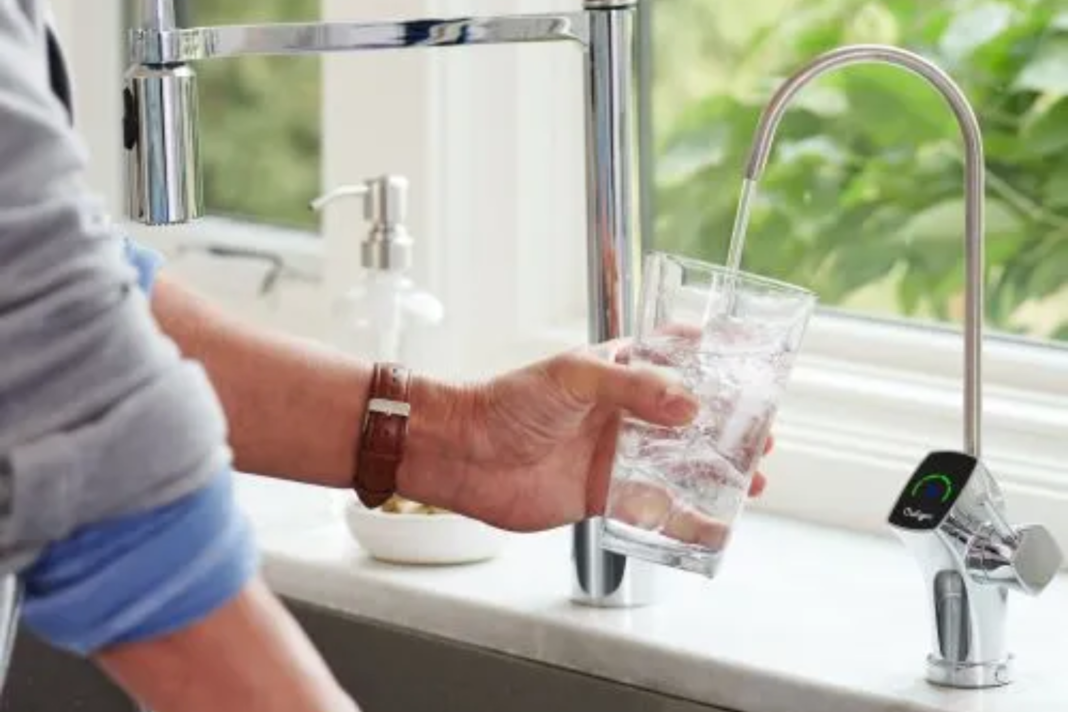


Water is one of those resources we assume will always be there. It runs through our homes, businesses, and industrial spaces without much thought. Turn the tap, and it flows. Flush, rinse, wash—repeat. Simple.
But behind that simplicity lies something bigger. Rising utility costs. Strain on infrastructure. Environmental pressure. And in many cases, wasted potential.
The conversation around water is shifting. It’s no longer just about access—it’s about efficiency. How we use it. How we manage it. And how we design systems that make sense for the long haul.
That’s where modern water efficiency solutions come into play.
Why Water Efficiency Matters More Than Ever
Water usage doesn’t feel expensive in small doses. A little extra here, a slow leak there—it seems manageable. But multiply that across months or across an entire facility, and the numbers grow quickly.
In homes, inefficient water heaters and aging fixtures quietly drive up bills. In commercial settings, outdated systems can mean thousands of gallons lost to waste or inefficient operation.
Efficiency isn’t about restriction. It’s about optimization.
When systems are designed to reduce unnecessary consumption—through improved filtration, smarter heating, or better recycling processes—the benefits compound over time.
Lower utility bills are the obvious advantage. But reduced wear and tear on equipment and less strain on infrastructure matter just as much.
The Financial Side of Smarter Systems
Many property owners hesitate when considering upgrades. The initial investment can feel intimidating.
But here’s the thing: modern systems are increasingly built to be cost effective systems, not luxury add-ons.
Energy-efficient water heaters, high-efficiency filtration setups, and advanced monitoring tools often pay for themselves over time. Reduced maintenance costs, lower water waste, and improved system longevity all contribute to long-term savings.
It’s not about spending more—it’s about spending smarter.
In fact, failing to upgrade outdated equipment can end up costing far more in emergency repairs and inefficiencies.
Customization Makes the Difference
No two properties use water in exactly the same way.
A restaurant kitchen has very different needs than a medical office. A residential building differs from a manufacturing facility. Even within the same industry, usage patterns vary.
That’s why custom design plays such a critical role in effective water management.
Instead of installing generic equipment, tailored systems are built around real usage data. Flow rates, pressure requirements, peak demand times—these details shape performance.
When systems are customized, they operate more efficiently. They’re not oversized or undersized. They match the job they’re meant to do.
Customization eliminates guesswork.
Technology Is Quietly Improving Everything
Advancements in technology have made water management far more intelligent than it used to be.
Smart sensors can detect leaks before they become visible problems. Automated controls optimize heating cycles based on demand. Filtration systems monitor pressure and notify operators when maintenance is required.
These improvements don’t require constant attention. They work in the background.
And that’s the goal—water systems that function efficiently without demanding daily oversight.
Environmental Responsibility Without Compromise
Water efficiency also intersects with sustainability goals.
Reducing water waste lowers overall resource consumption. Efficient heating systems decrease energy usage. Recycling and reuse processes conserve supply in high-demand environments.
But sustainability doesn’t have to mean sacrifice. Well-designed systems maintain performance while reducing environmental impact.
It’s a balance. And it’s achievable.
Preventing Problems Before They Start
One overlooked advantage of modern water systems is prevention.
Leaks, pressure imbalances, and scale buildup can cause significant damage over time. But when systems are designed thoughtfully, these issues are minimized.
Proactive monitoring reduces surprises. Preventive maintenance becomes easier to schedule.
Instead of reacting to emergencies, property owners can plan ahead.
That shift—from reactive to proactive—makes a real difference.
The Human Side of Efficiency
It’s easy to talk about numbers and technology. But water systems ultimately affect people.
Employees rely on consistent water supply. Customers notice cleanliness and comfort. Families depend on reliable plumbing for daily routines.
When systems operate smoothly, people don’t think about them. And that’s exactly the point.
Good infrastructure should feel invisible.
Taking the First Step
Improving water efficiency doesn’t require a complete overhaul overnight.
It starts with assessment. Understanding current usage patterns. Identifying inefficiencies. Exploring upgrade options.
From there, decisions become strategic rather than impulsive.
Whether it’s a residential property or a large commercial facility, thoughtful upgrades can transform how water is used—and how much it costs.
A Smarter Future for Everyday Systems
Water is foundational. It supports comfort, productivity, and sanitation. It’s woven into nearly every aspect of modern life.
Designing systems that maximize efficiency isn’t about chasing trends. It’s about practical stewardship—protecting resources, reducing waste, and managing costs responsibly.
In the end, smarter water systems are less about flashy innovation and more about thoughtful planning.
Because when something is as essential as water, it deserves careful attention.
And when efficiency meets intelligent design, the results aren’t just visible on a utility bill—they’re felt in the smooth, reliable flow of daily life.