Keeping Sewer Problems at Bay: A Homeowner’s Guide to Cleaning, Maintenance, and Repairs
There are certain household problems nobody wants to deal with, and a backed-up sewer line certainly belongs near the top of that list. The unpleasant smells, slow drains, and possibility of wastewater entering your home can turn an ordinary day into a stressful experience. What’s particularly frustrating is that many sewer problems develop quietly over […]
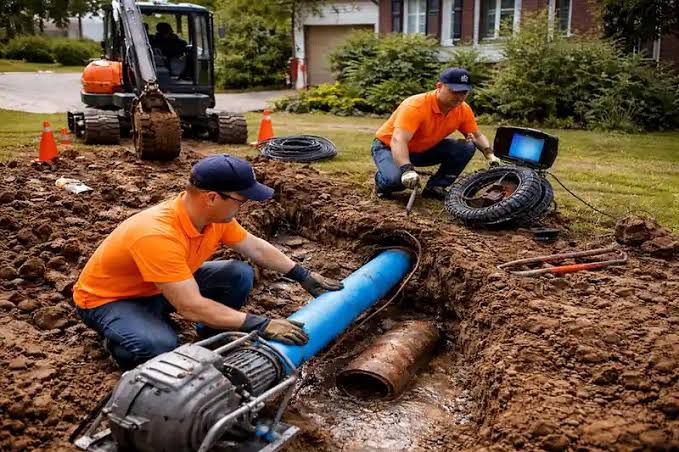
There are certain household problems nobody wants to deal with, and a backed-up sewer line certainly belongs near the top of that list. The unpleasant smells, slow drains, and possibility of wastewater entering your home can turn an ordinary day into a stressful experience.
What’s particularly frustrating is that many sewer problems develop quietly over time. By the time something becomes noticeable, the underlying issue may have existed for weeks or even months.
Investing in appropriate sewer line cleaning and maintenance can help homeowners reduce avoidable blockages, identify developing problems, and protect their plumbing infrastructure.
You don’t necessarily need to understand every technical detail of your drainage system. However, knowing what to look out for and when to seek professional assistance can make a considerable difference.
Listening to What Your Drains Are Telling You
Household plumbing sometimes provides subtle warnings before a more serious problem develops.
A bathroom sink might take longer than usual to empty. The toilet could make an unfamiliar bubbling noise whenever someone uses the washing machine. Perhaps an unpleasant smell keeps returning despite your best cleaning efforts.
These little inconveniences are worth investigating, especially when they affect several fixtures simultaneously.
A single slow drain might indicate a localized obstruction. Multiple drainage problems, however, could suggest an issue farther along the main sewer pipe.
Persistent damp areas in the yard may also deserve attention, particularly when accompanied by unpleasant odors.
Rather than repeatedly treating individual symptoms, try to establish whether there’s a larger problem developing beneath the surface. Early investigation could save you from considerable inconvenience later.
Understanding What Happens During a Professional Sewer Inspection
Finding the source of an underground drainage problem isn’t always straightforward. Fortunately, plumbing professionals have equipment that can make the diagnostic process more accurate.
Experienced providers of sewer line plumbing services may use specialized cameras to examine accessible pipe interiors and identify blockages, root intrusion, damaged connections, or structural deterioration.
These inspections can reveal problems that ordinary drain cleaning might temporarily conceal.
Imagine repeatedly clearing a blockage caused by tree roots. Water begins flowing again, and everything appears normal. However, if the underlying pipe damage remains unresolved, those roots may eventually return.
A thorough assessment helps determine whether cleaning alone is sufficient or whether more extensive work is necessary.
It also gives homeowners a clearer understanding of what they’re paying for. That’s particularly valuable when facing potentially expensive underground plumbing work.
When Cleaning Is No Longer Enough
Clearing an obstruction can restore drainage, but it won’t repair a damaged pipe.
Cracks, deteriorating joints, corrosion, and partially collapsed sections may require more substantial intervention.
Investing in professional sewer line repairs can help address structural problems that contribute to persistent drainage issues and recurring blockages.
Depending on the condition of the existing infrastructure, contractors may recommend replacing an isolated section or undertaking a more extensive rehabilitation project.
Certain trenchless techniques may provide alternatives to traditional excavation, potentially reducing disruption to gardens, driveways, and other landscaped areas.
However, these methods aren’t suitable for every situation.
Ask your contractor to explain the available options, their limitations, and why a particular approach is recommended. Understanding the reasoning behind a repair can make the decision considerably easier.
News context Built for Living: Real-Life Home Upgrades That Actually Make a Difference
Everyday Habits That Can Cause Bigger Problems
Some sewer blockages begin with surprisingly ordinary household activities.
Pouring leftover cooking grease down the kitchen sink might seem harmless, especially while it’s still warm. As it cools, however, grease can accumulate inside pipes and contribute to obstructions.
Wipes, hygiene products, paper towels, and other unsuitable materials can also cause drainage complications.
Even products marketed as flushable may contribute to problems within certain sewer systems.
Tree roots present another challenge. They can enter vulnerable underground pipes through existing cracks or defective connections, gradually restricting wastewater flow.
While homeowners cannot control every environmental factor affecting their plumbing, sensible disposal habits can help reduce unnecessary strain on drainage infrastructure.
Small changes in everyday behavior often prove more valuable than repeatedly purchasing products intended to clear blocked drains.
Choosing the Right Cleaning Method for Your Pipes
Not all sewer blockages respond to the same cleaning technique.
Mechanical drain-cleaning equipment can help remove certain obstructions, while professional hydro jetting uses high-pressure water to dislodge accumulated debris and deposits from suitable pipes.
However, older or structurally damaged plumbing may require a more cautious approach.
An experienced plumber should assess pipe conditions before selecting a cleaning method.
Repeatedly using harsh chemical drain cleaners isn’t necessarily a dependable solution, particularly when dealing with persistent or widespread drainage problems. These products may create additional hazards without addressing the underlying cause.
Understanding what needs removing, and whether the pipe can safely withstand the proposed treatment, is essential.
Knowing What to Do During a Sewer Backup
If wastewater begins entering your home through toilets, showers, or floor drains, stop using household plumbing and arrange professional assistance promptly.
Keep children and pets away from contaminated areas, and avoid direct contact with sewage.
Extensive contamination may require specialized cleaning and restoration.
It’s also worth documenting affected areas when safe to do so, particularly if you intend to contact your insurance provider.
Taking appropriate precautions can help limit additional damage while protecting household members from unnecessary exposure.
Giving Your Sewer System the Attention It Deserves
A dependable sewer system isn’t something most people celebrate, but it quietly supports nearly every aspect of comfortable household living.
Pay attention to recurring drainage problems, develop better disposal habits, and arrange professional inspections when concerns arise.
Your underground plumbing doesn’t need constant attention. It simply needs the right attention at the right time.
And when everything drains smoothly, without unpleasant surprises or unexpected repair bills, you’ll appreciate the value of looking after those hidden pipes a little earlier.