The Moment Before You Feel Ready to Drive Is Usually the One That Matters Most
There’s a strange phase in learning to drive where you’re not quite a beginner anymore, but you’re definitely not confident yet. You know the basics. You’ve practiced turns, stops, maybe even a few tricky intersections. Still, there’s that lingering hesitation—like something hasn’t fully clicked. And honestly, that’s normal. More than normal, actually. It’s where most […]
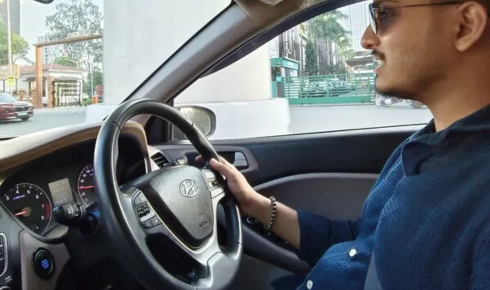
There’s a strange phase in learning to drive where you’re not quite a beginner anymore, but you’re definitely not confident yet. You know the basics. You’ve practiced turns, stops, maybe even a few tricky intersections. Still, there’s that lingering hesitation—like something hasn’t fully clicked.
And honestly, that’s normal. More than normal, actually. It’s where most real learning happens.
It’s Not Just About Passing—It’s About Feeling Ready
A lot of people approach driving with one clear goal: pass the test and move on. Simple enough. But the truth is, passing isn’t the same as feeling prepared.
That’s where thoughtful road test prep makes a difference. Not the rushed kind that just drills you through checklists, but the kind that helps you understand why things matter.
When you know why you’re checking mirrors, why you’re positioning the car a certain way, why timing matters at intersections—it sticks. It stops feeling like a test requirement and starts feeling like common sense.
And that shift? That’s what builds confidence.
The Subtle Power of Repetition
There’s no shortcut here. Driving is one of those skills where repetition quietly does all the heavy lifting.
At first, everything feels deliberate. You think about each move—signal, check, turn, adjust. It’s almost exhausting.
But over time, those actions begin to blend together. They become smoother, less forced. You stop narrating every step in your head.
That’s when things start to feel natural—not perfect, but manageable. And honestly, manageable is a big win in the early stages.
Why Practical Experience Matters More Than Theory
You can study rules all day, memorize signs, even ace written tests—but none of that fully prepares you for the unpredictability of real roads.
Other drivers don’t follow scripts. Traffic doesn’t behave the same way every time. Conditions change, sometimes quickly.
News context The Simple Truth About Removing Water Stains from Glass: What Actually Works
That’s why behind the wheel training is where everything comes together. It’s not just practice—it’s exposure.
You learn how to adapt. How to stay calm when things don’t go exactly as planned. And maybe most importantly, how to keep moving forward even after a small mistake.
Learning at Your Own Pace (Without the Pressure)
Everyone learns differently. Some pick things up quickly. Others need more time, more repetition, more reassurance.
And there’s nothing wrong with that.
In fact, learning at your own pace often leads to stronger habits. You’re not rushing to keep up—you’re actually understanding what you’re doing.
This is where a one on one private session can feel surprisingly helpful. It removes the pressure of comparison, the feeling of being watched or judged. It gives you space to ask questions you might otherwise hold back.
Sometimes, that space is exactly what someone needs to move forward.
Mistakes Are Part of the Journey
No one likes making mistakes, especially when learning something as visible as driving. Stall the car, misjudge a turn, hesitate at the wrong moment—it can feel frustrating.
But here’s the thing: those moments are doing their job. They’re teaching you.
Each mistake highlights something you hadn’t fully grasped before. And once you notice it, you adjust. Slowly, those adjustments add up.
Confidence doesn’t come from avoiding mistakes. It comes from learning how to recover from them.
The Mental Side of Driving
Driving isn’t just physical—it’s mental.
News context Experience Nature’s Magic Through Early Morning Hikes!
You’re constantly processing information. Speed, distance, movement, signals, people. It’s a lot, especially in the beginning.
That’s why staying calm matters more than getting everything perfect. A calm driver can think clearly, react appropriately, and handle unexpected situations better than someone who’s tense and overthinking.
Sometimes, just taking a breath before making a move can change everything.
When It Finally Starts to Click
There’s a moment—different for everyone—when driving starts to feel less like a task and more like a flow.
You’re not thinking about every detail anymore. You’re just… doing it. Responding naturally. Adjusting without panic.
It doesn’t mean you’ve mastered everything. It just means you’ve crossed a threshold.
And once you cross it, things get easier.
Final Thoughts
Learning to drive isn’t a straight path. It’s full of small ups and downs, moments of doubt, and quiet breakthroughs.
The key isn’t rushing to the finish line. It’s allowing yourself to learn properly, to build confidence step by step.
Because in the end, it’s not just about passing a test. It’s about feeling capable, aware, and ready—whenever you’re on the road.
And when that feeling settles in, even just a little, you’ll know you’re getting there.