
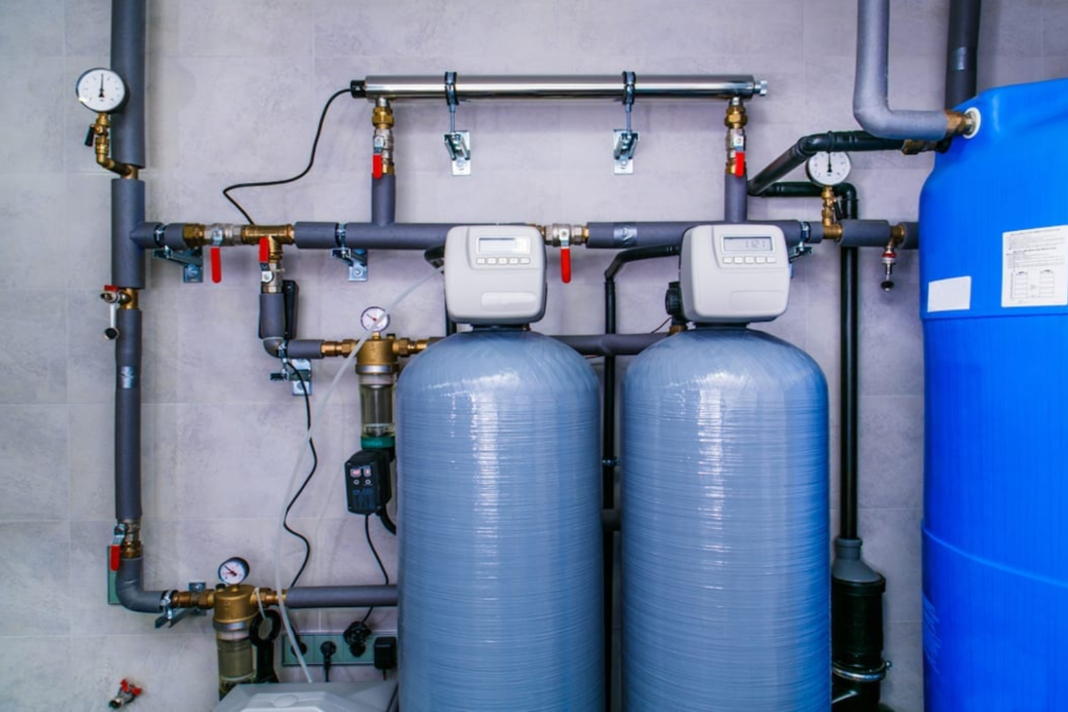


There’s a certain kind of comfort in a home that doesn’t surprise you. No sudden leaks, no strange noises from the pipes, no appliances giving up at the worst possible moment. Everything just works.
And if you’re lucky enough to experience that, you probably don’t think much about why.
But here’s the truth—homes don’t stay that way by accident.
Behind that sense of ease is usually a bit of quiet effort. Not constant attention, not endless work, just a handful of smart habits that keep things from going sideways.
Why We Wait Until Something Breaks
Let’s be honest—most of us aren’t proactive when it comes to home systems. We wait. Until something drips, stops working, or makes a noise that wasn’t there yesterday.
It’s human nature.
The problem is, by the time something becomes obvious, it’s often been building for a while. Pipes don’t suddenly fail overnight. Water systems don’t lose efficiency in a single day. It’s a slow process, one that gives plenty of warning signs if you know where to look.
But those signs are easy to miss when life gets busy.
Thinking Ahead Without Overthinking It
This is where the idea of a protection plan starts to make sense—not as something complicated or expensive, but as a way to stay one step ahead.
It’s less about preparing for disaster and more about maintaining what’s already working. A bit like servicing your car before it breaks down on the highway.
When you have a plan in place, you’re not reacting—you’re anticipating. And that shift, small as it sounds, changes everything.
The Value of Small, Consistent Actions
One of the biggest misconceptions about home maintenance is that it has to be a big deal. People imagine long checklists, costly upgrades, or time-consuming projects.
But in reality, it’s often the small, consistent actions that make the biggest difference.
Things like preventative maintenance—checking for minor leaks, ensuring filters are clean, keeping an eye on pressure levels. None of these take much time individually, but together, they create a system that’s far less likely to fail.
It’s not glamorous. But it works.
Catching Problems Before They Grow
There’s a certain satisfaction in catching an issue early. A small adjustment, a quick fix, and you’re done.
Compare that to dealing with a full-blown problem—a burst pipe, a broken appliance, a repair bill you didn’t see coming. It’s a completely different experience.
Regular system performance checks play a big role here. They give you a snapshot of how things are functioning, not just whether they’re working at all. Because there’s a difference between “working” and “working well.”
And when you catch that difference early, you save yourself a lot of trouble later.
It’s Not Just About Avoiding Problems
While a lot of maintenance focuses on preventing issues, there’s another benefit that doesn’t get talked about enough—efficiency.
Systems that are well-maintained tend to perform better. They use less energy, operate more smoothly, and last longer. It’s a quiet kind of improvement, one that doesn’t draw attention to itself but makes your home feel more reliable overall.
And over time, that reliability becomes something you depend on without even realizing it.
Why Simplicity Matters
If there’s one thing worth emphasizing, it’s this: maintenance doesn’t need to be complicated to be effective.
In fact, the simpler your approach, the more likely you are to stick with it.
A few regular check-ins. Occasional updates when needed. Maybe a professional inspection once in a while. That’s often enough to keep things in good shape.
It’s not about doing everything—it’s about doing the right things consistently.
The Peace of Mind You Can’t Measure
There’s something underrated about not having to worry.
When your home systems are in good condition, you don’t think about them. You don’t second-guess whether something might go wrong. You just go about your day.
That peace of mind is hard to quantify, but it’s real. And it comes from knowing you’ve taken the steps to keep things running smoothly.
Breaking the “I’ll Deal With It Later” Cycle
We’ve all said it—“I’ll take care of it later.”
And sometimes, later never comes.
The challenge is that small issues don’t stay small forever. They grow, slowly, until they demand attention. And by then, the solution is usually more complicated than it needed to be.
Breaking that cycle doesn’t require a major commitment. Just a bit of awareness, a willingness to act on small signs before they become big ones.
A Final Thought That Feels Practical
Your home is full of systems that work quietly in the background. Water, plumbing, heating—things you rely on every day without thinking about them.
Keeping those systems in good shape isn’t about perfection. It’s about consistency. A little attention here and there, enough to keep everything moving in the right direction.
Because when your home runs smoothly, life feels smoother too.
And honestly, that’s the kind of comfort most of us are looking for—not flashy upgrades or dramatic changes, but a space that supports us without adding stress.
Sometimes, the simplest habits are the ones that make the biggest difference.